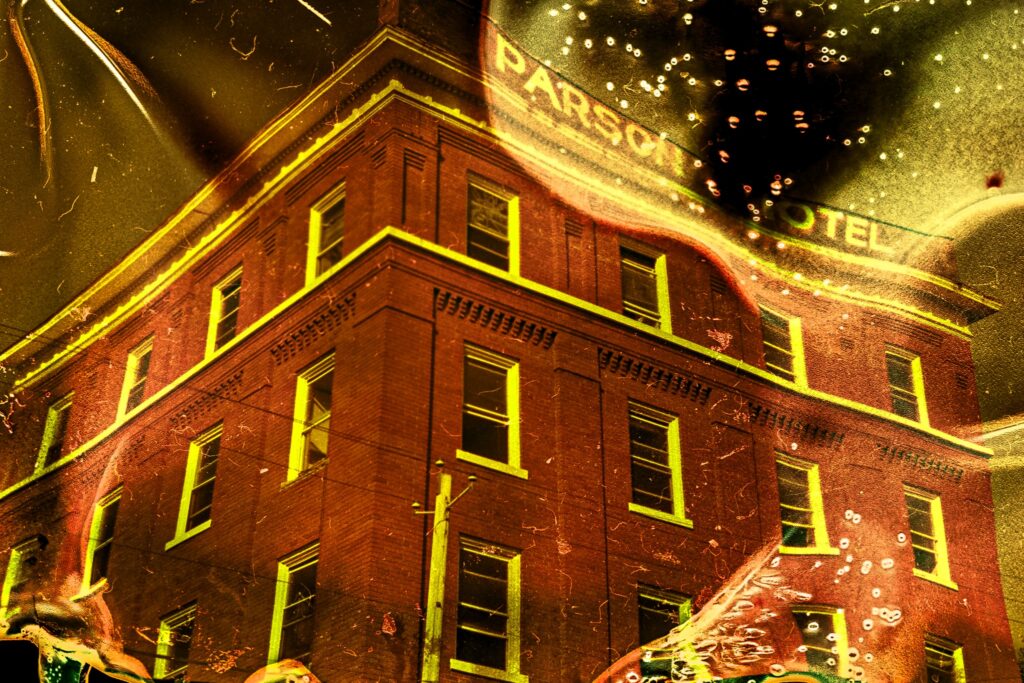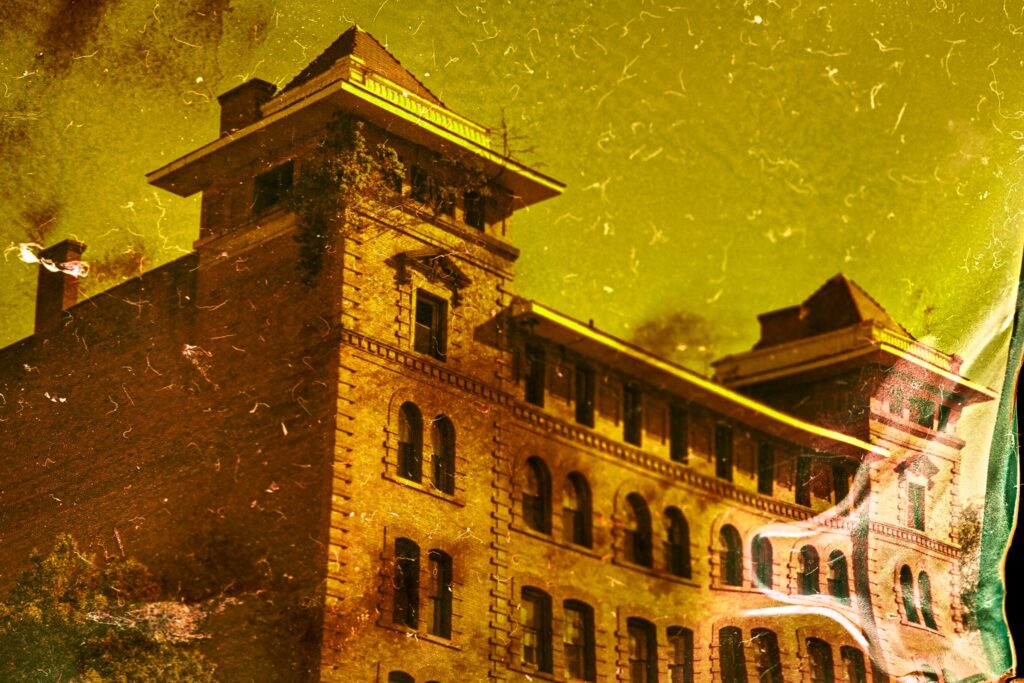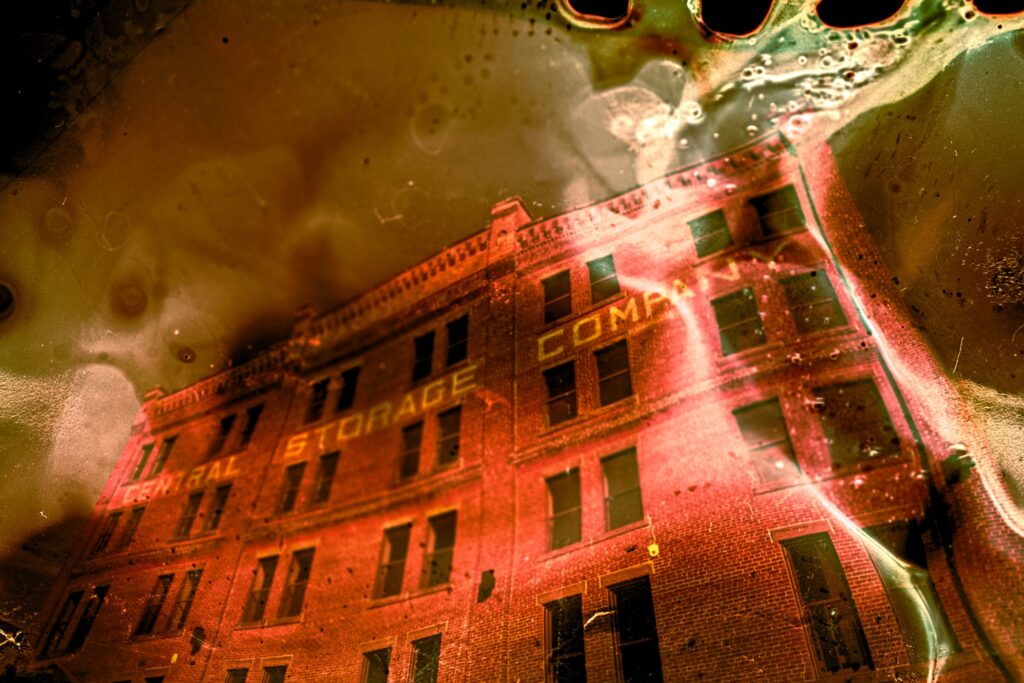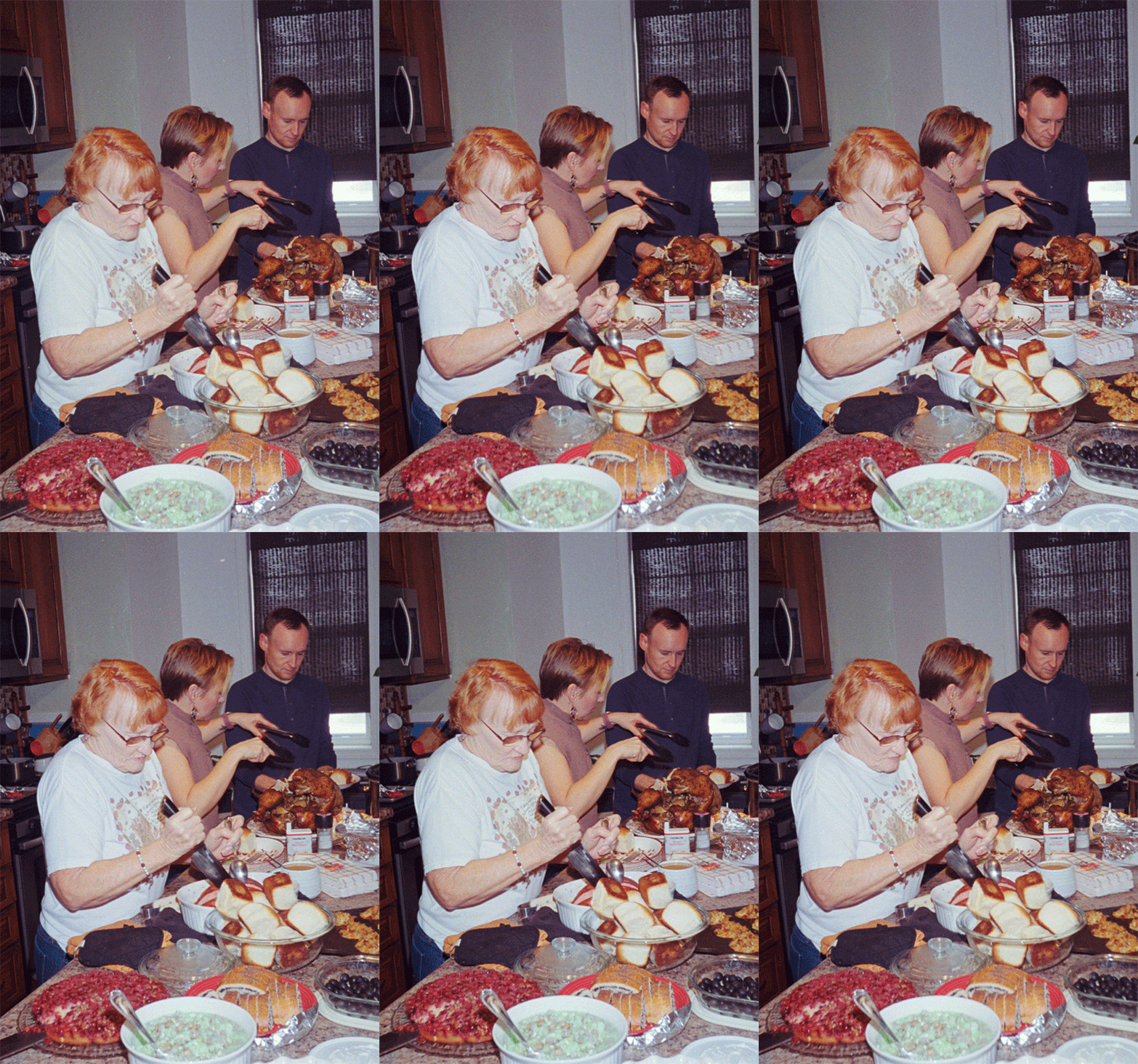
Tag: 35mm

  • Just beyond the beauty

    Just beyond the beauty

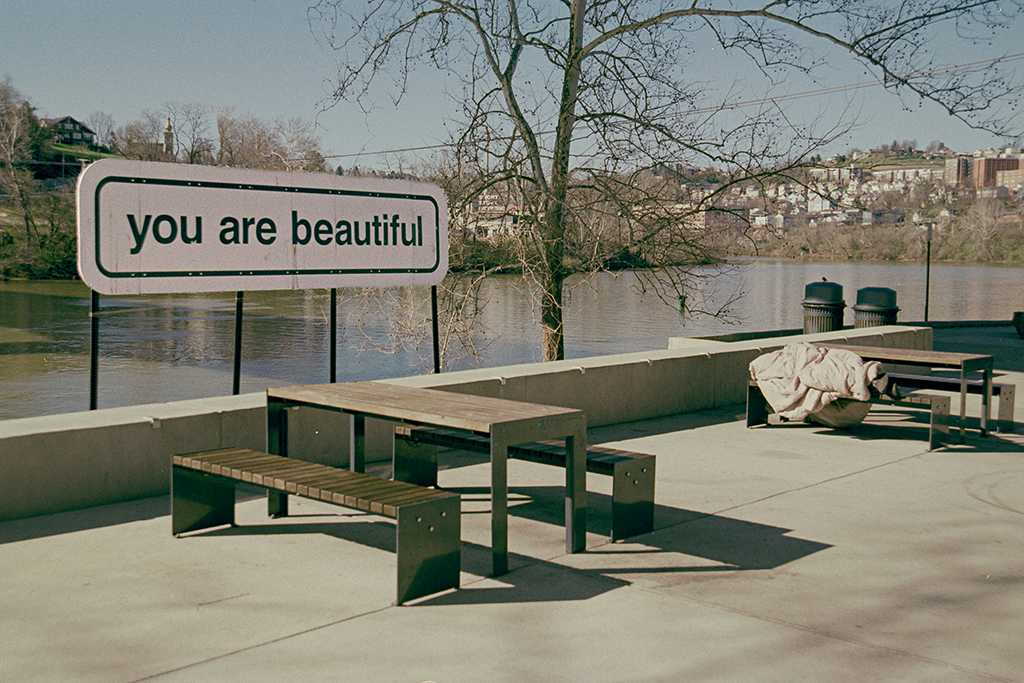
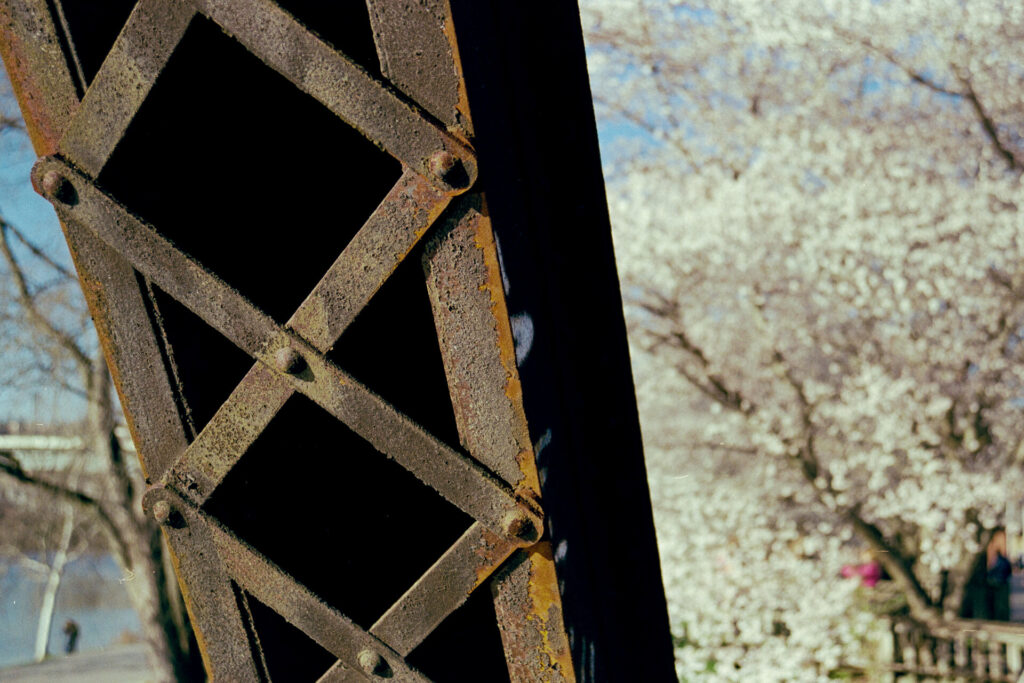
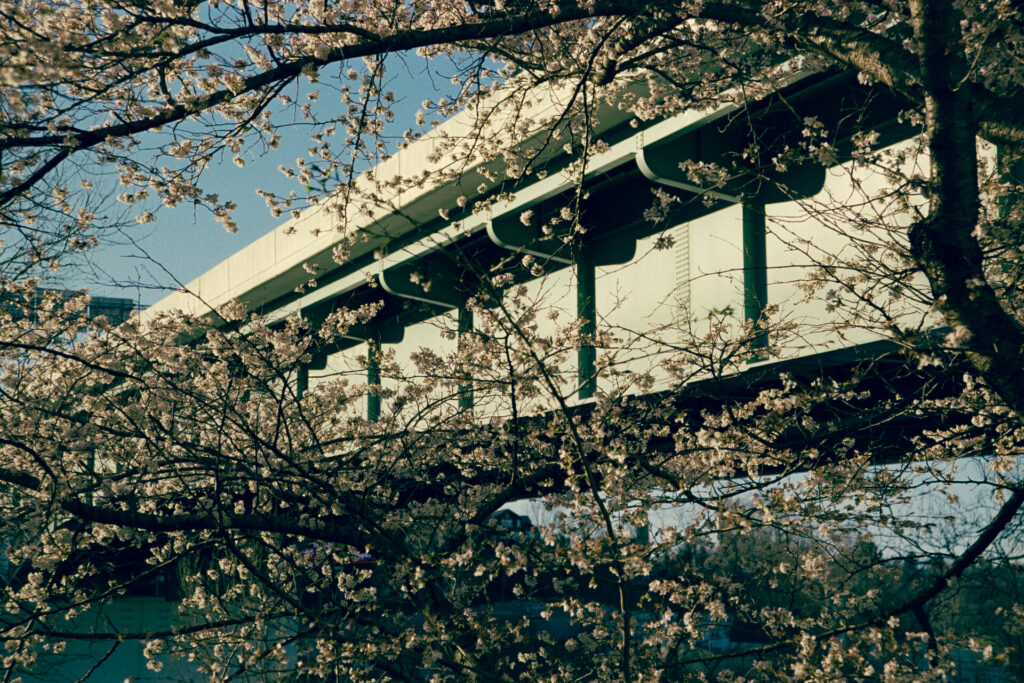
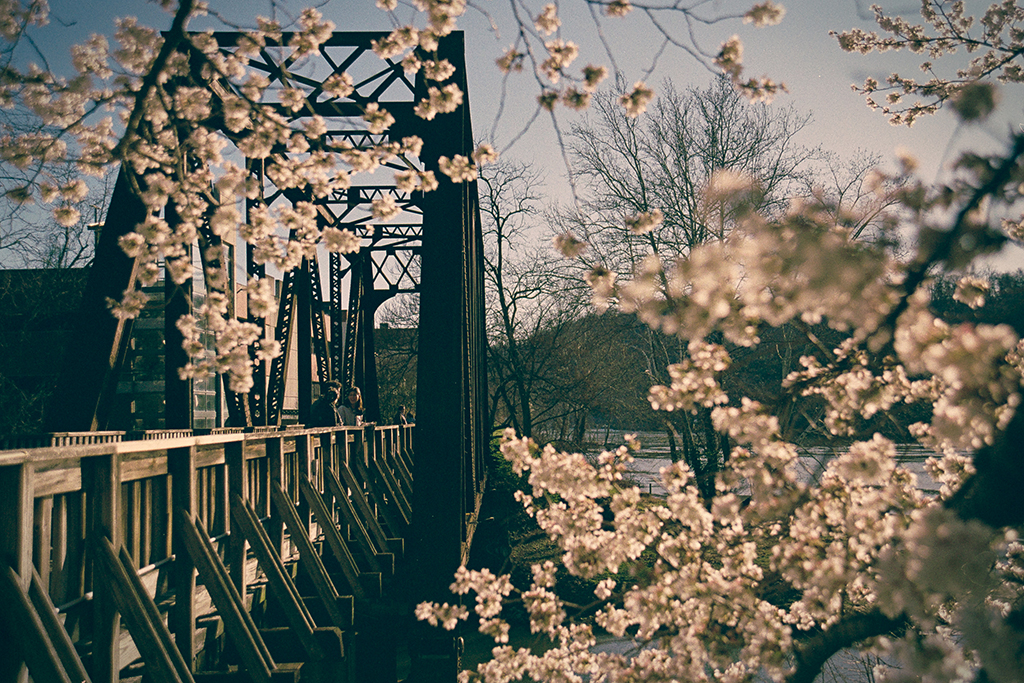
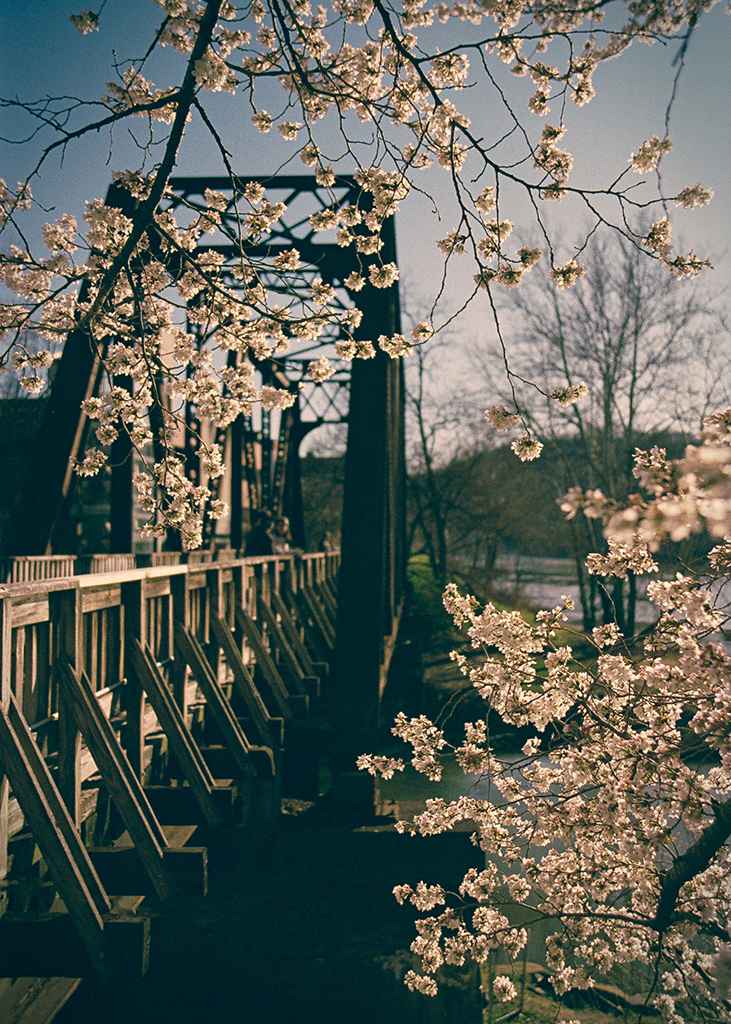
    While taking in the sights in Morgantown, it would have been easy to ignore the reality of modern civilization. Walk beyond the amphitheater and cherry blossoms, and you are reminded that you are in a bubble. Across the street is a Sheetz. Just beyond the old rail bridge, given new life as a walking path, is a parking garage.

    That’s not to say Morgantown isn’t a nice town – it is, mostly. It’s a college town, home to WVU and the Mountaineers. My son will be attending in the fall. My wife has family who grew up there. But it has a long, troubled past, as all West Virginia towns do, and even now its future seems slightly off-kilter – teetering between success and ruin.

    The same could be said for any town in any state in the U.S. right now. Artists and entrepreneurs plant their flag and do their best to inject life, culture, and a fresh coat of paint on old frames and foundations. Some stick, many don’t. Some of the old institutions, like 123 Pleasant St., soldier on, while others have long since shuttered or (like the Den) are a shadow of their former selves.
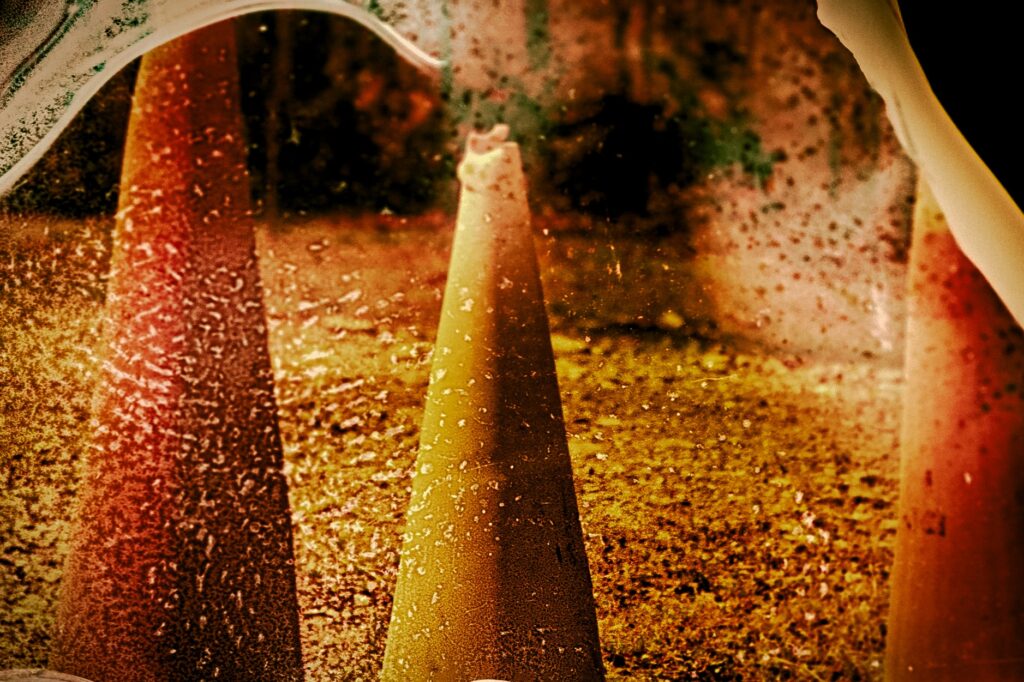
    Beyond the sheen, however, the reality sets in. A few blocks out from downtown, you’ll see streets that haven’t been maintained in years. Between the murals and posters for free concerts of cover bands and old favorites, forgotten people bum smokes and struggle to find comfort in a town that, for the most part, ignores them.

    Therein lies the irony. We have money and energy to spare, but we spend it on the easy problems while ignoring the things that could really make a difference. We put on shows to entertain and distract, while ultimately doing nothing to help the city thrive. We gather to admire the beauty of nature, of life and all of existence, while only a few yards away, a person lies in crisis and is ignored.

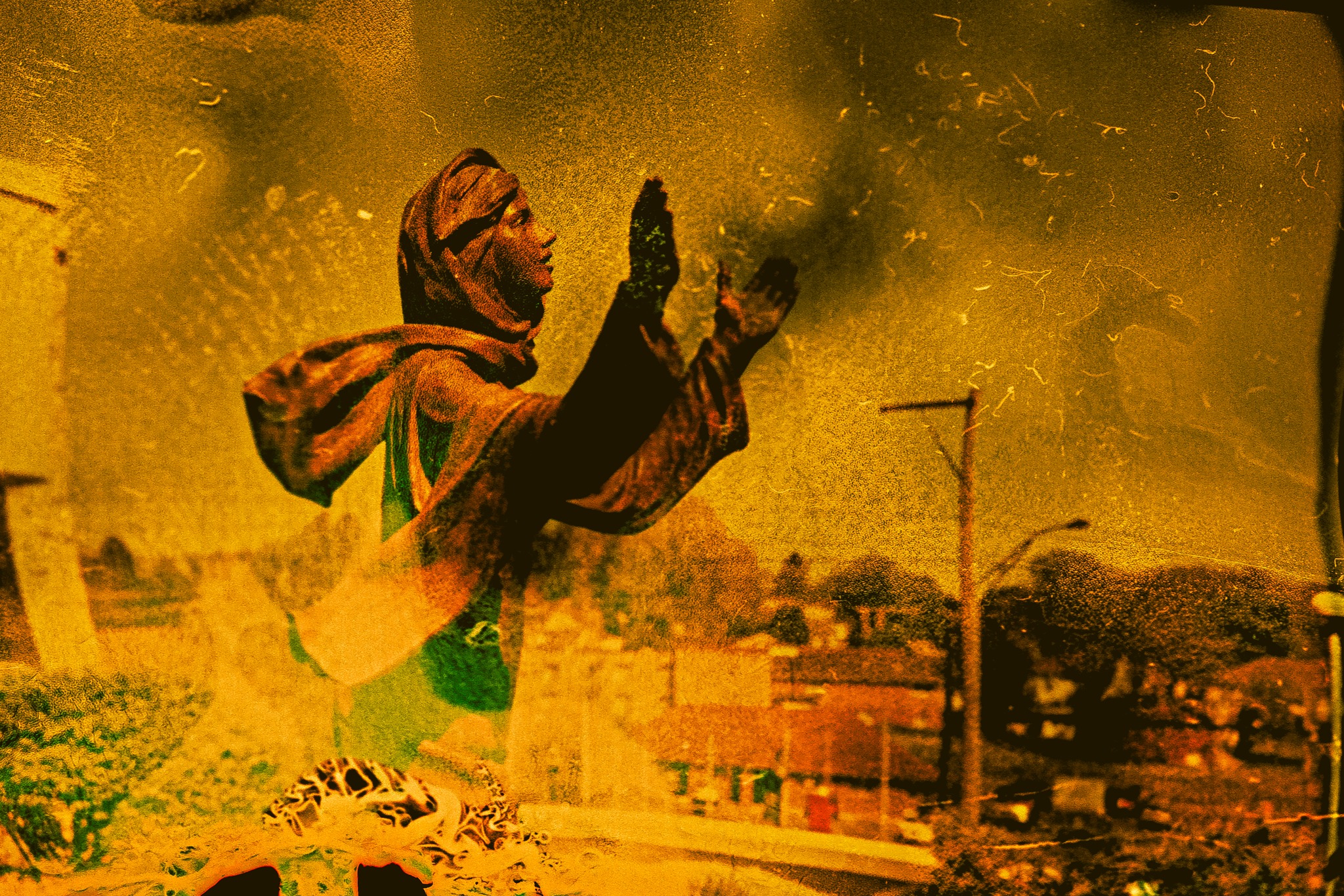
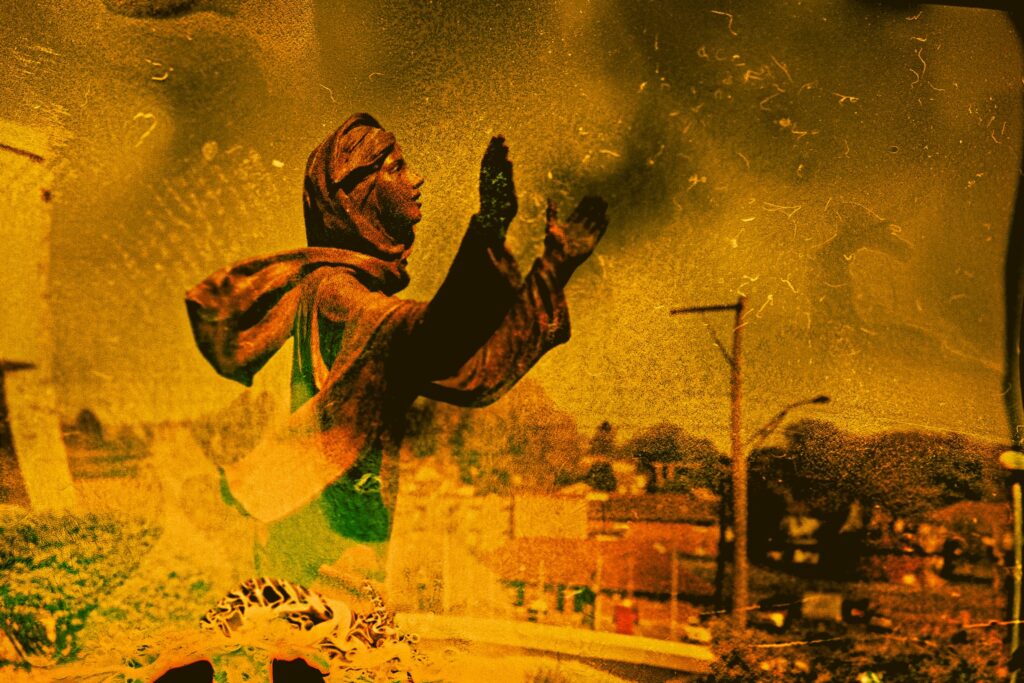
    I normally feel a certain way about photographing people on the street, especially when they are unaware, but this image spoke volumes. The juxtaposition of the uplifting message paired with the man on the bench was a perfect representation of what I was feeling that day. Words can only do so much. Good frames won’t save bad paintings.

  • Cherry Blossoms in Morgantown, WV

    Cherry Blossoms in Morgantown, WV

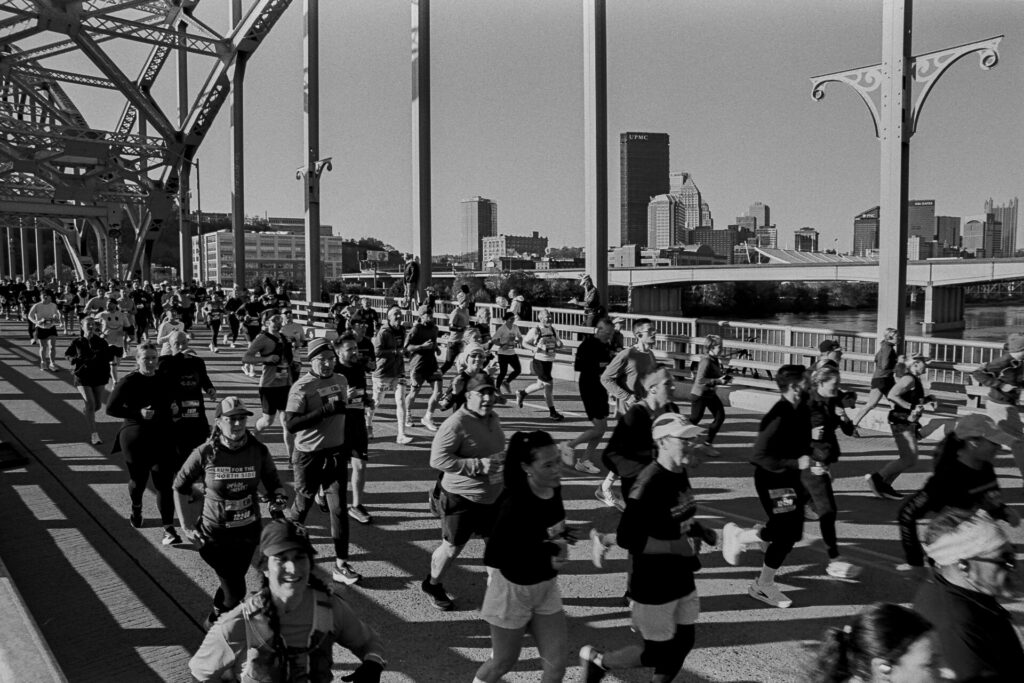
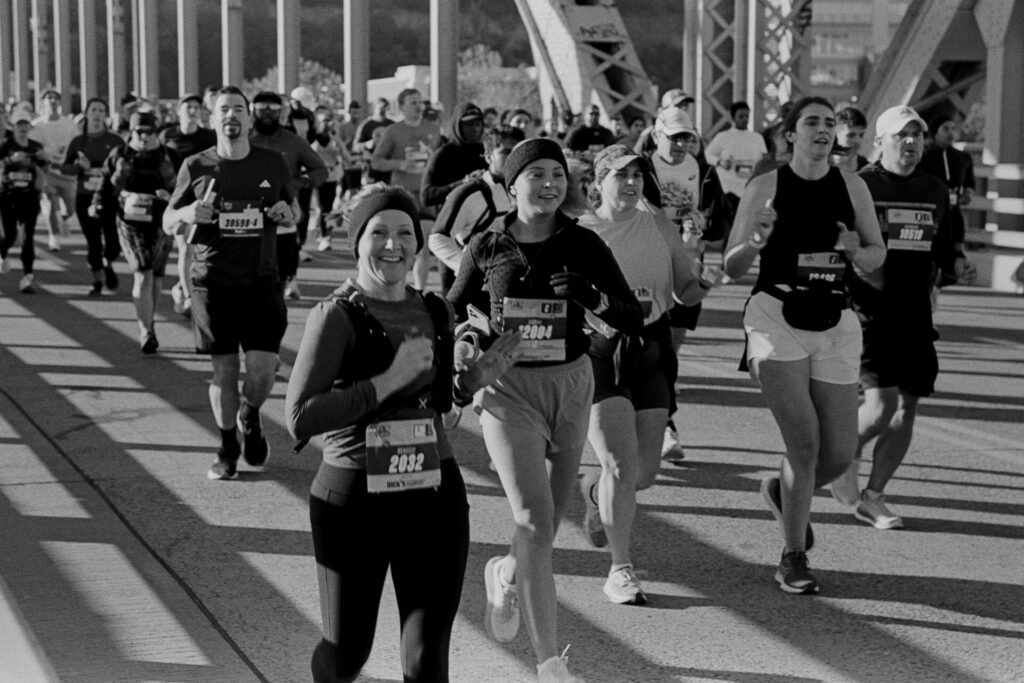
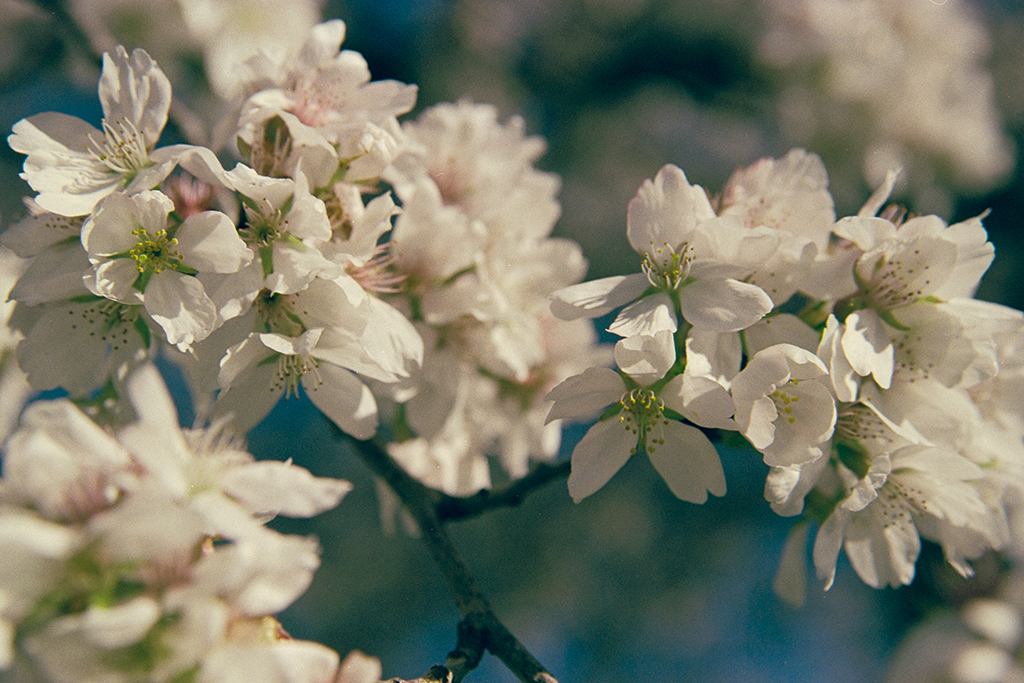
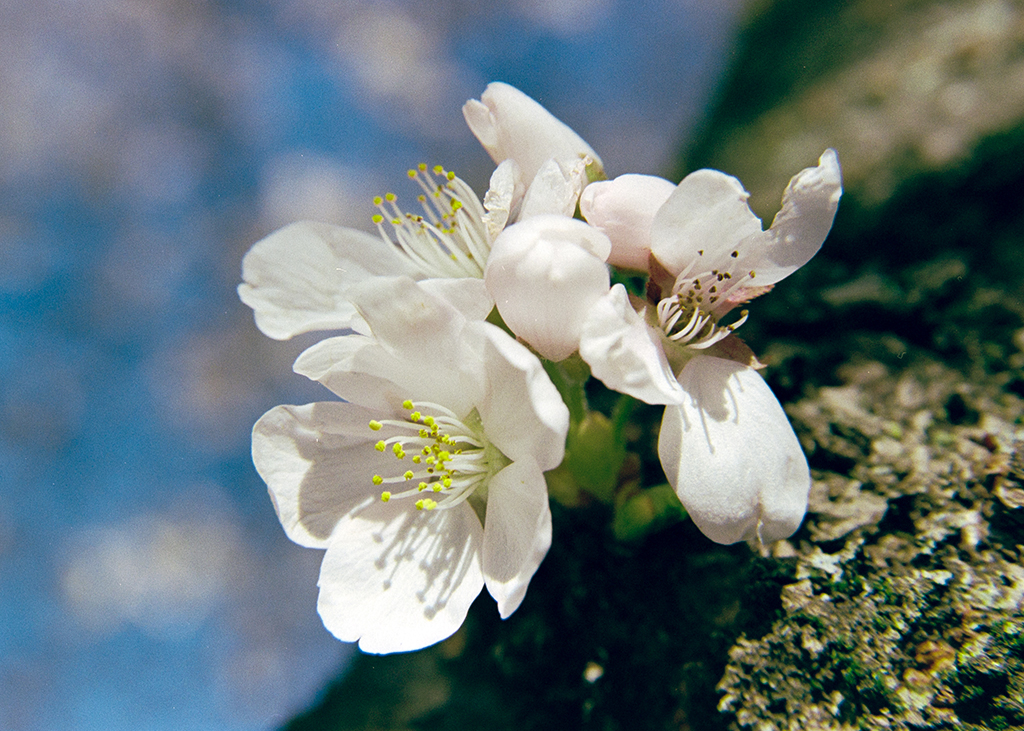
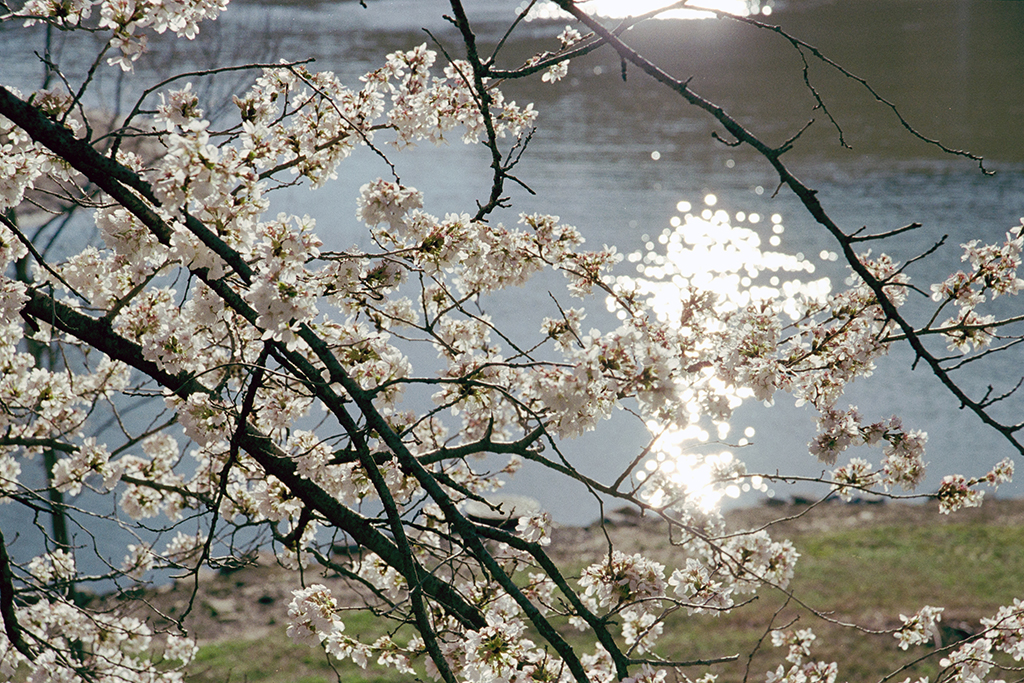
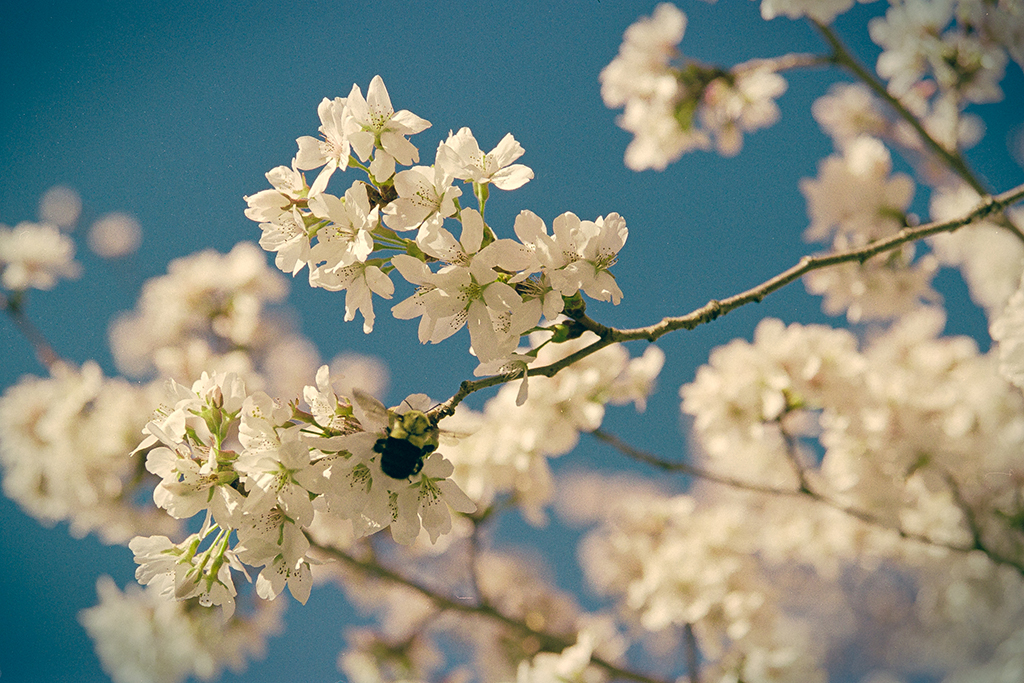
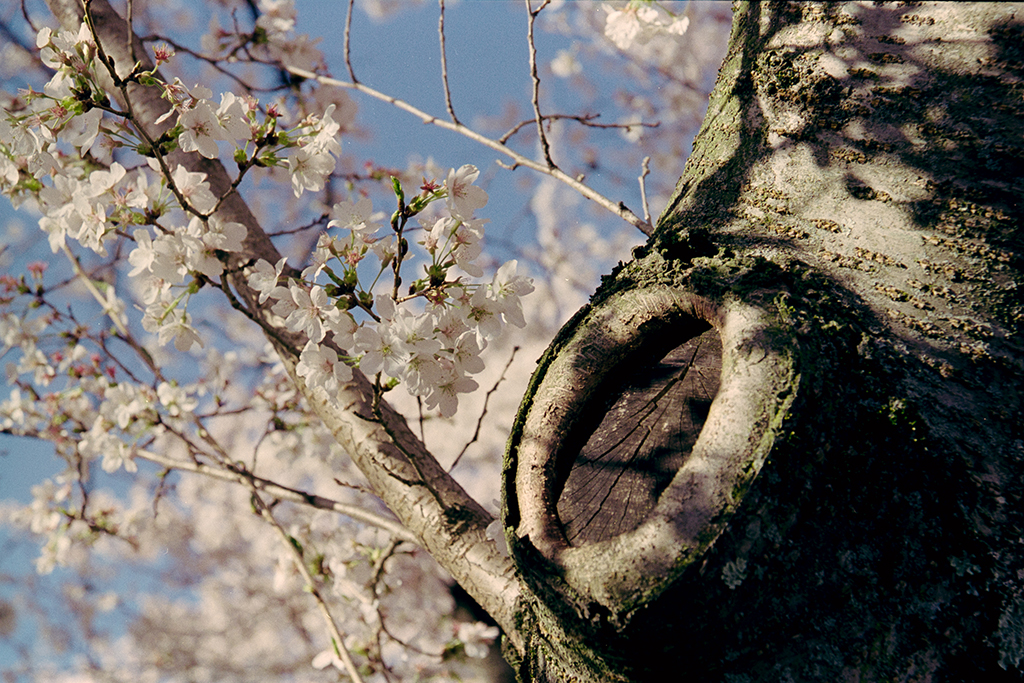
    I had some time to kill while my wife went for a run while training for the Pittsburgh Marathon, so I visited Ruby Amphitheater in Morgantown, WV as I had heard that the cherry trees were in bloom. Wow, they did not disappoint. Having so much time in one spot forced me to finally slow down and take my time, chasing light and investigating every angle.

    This was my first time shooting kodak Kodacolor 100, and I was not impressed. The majority of photos I kept were actually shot on Fujifilm 400 (which is really Kodak Ultracolor 400) and it was on this day that I decided it would be my primary from here on out. It’s readily available, has noticeable grain but not too much, you can push it a few stops in a pinch, and it looks like childhood to me.
  • Key West 2026

    Key West 2026

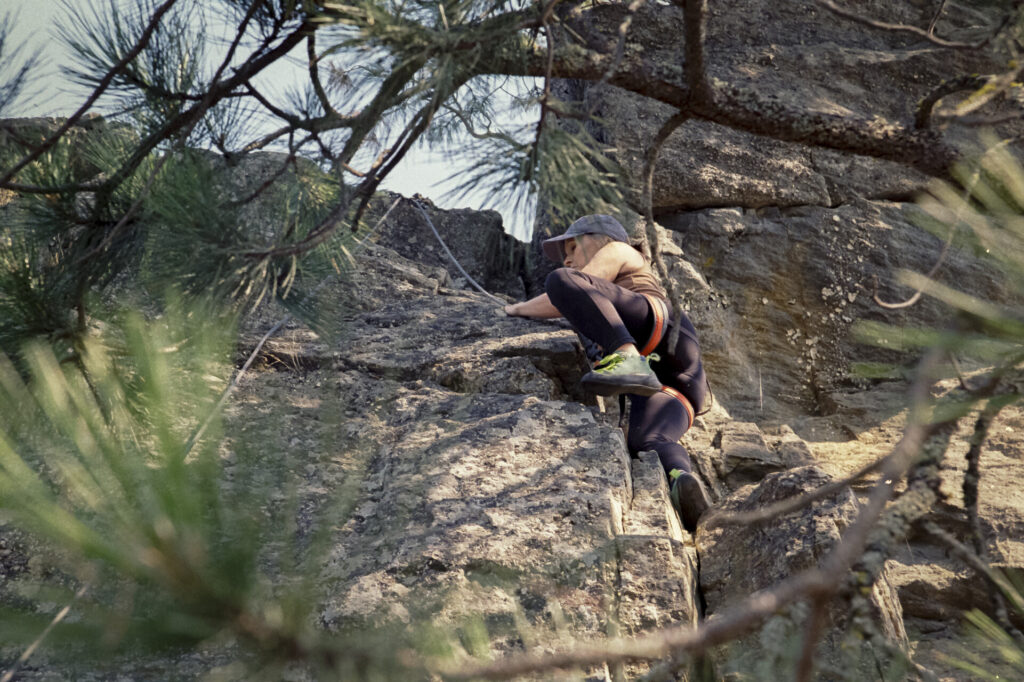
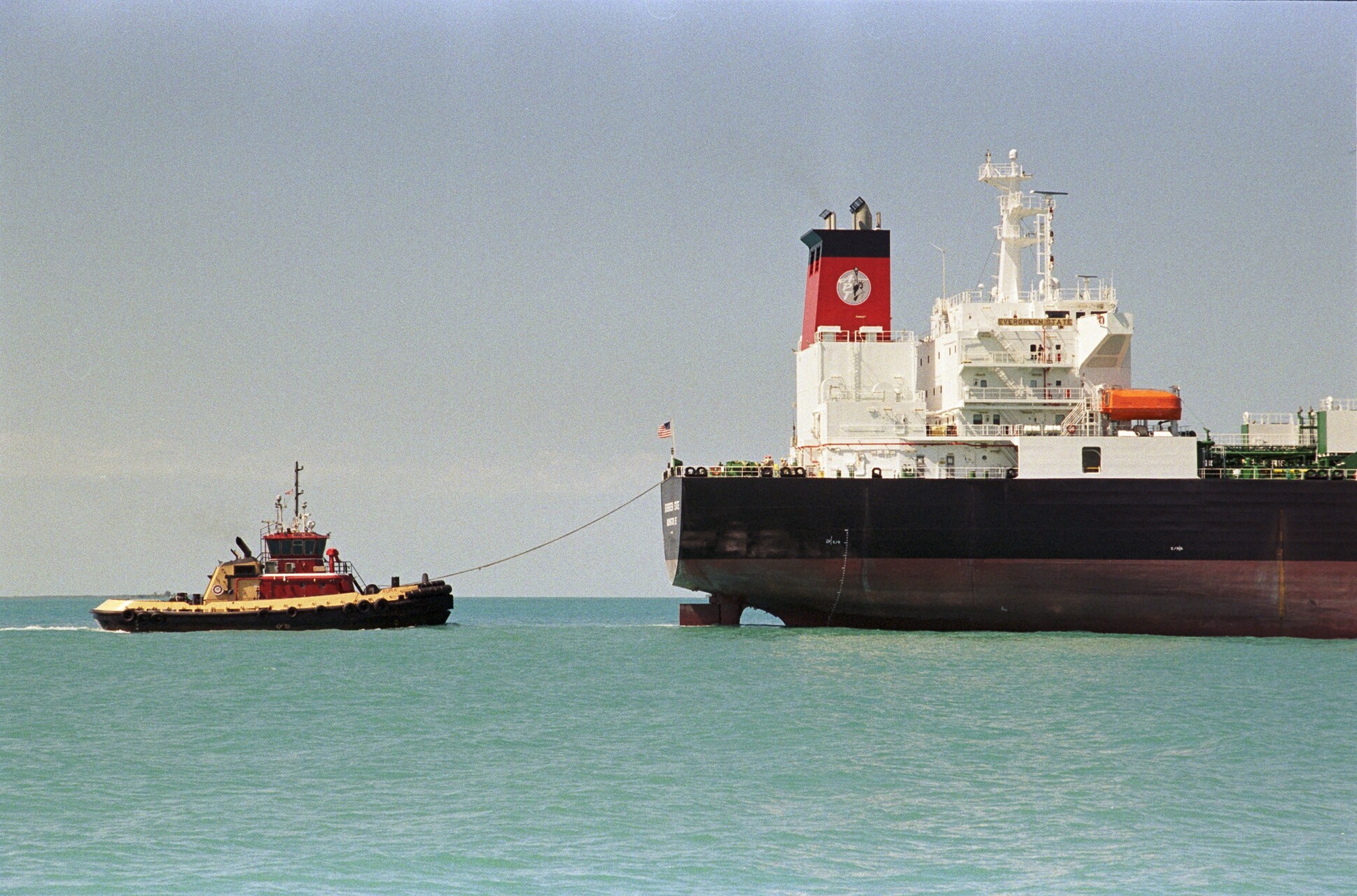
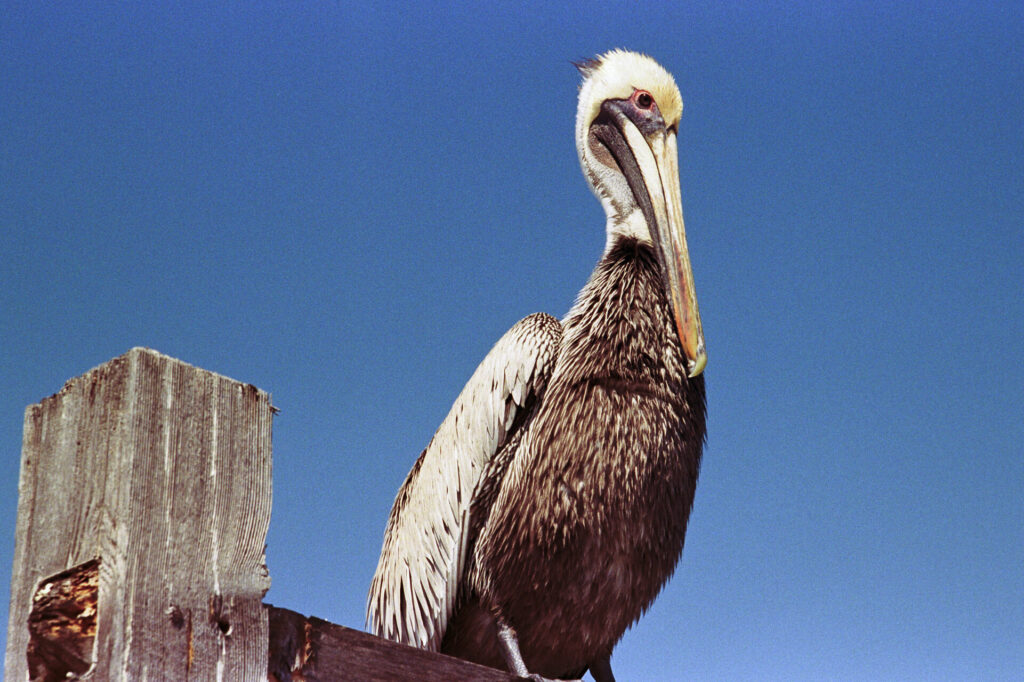
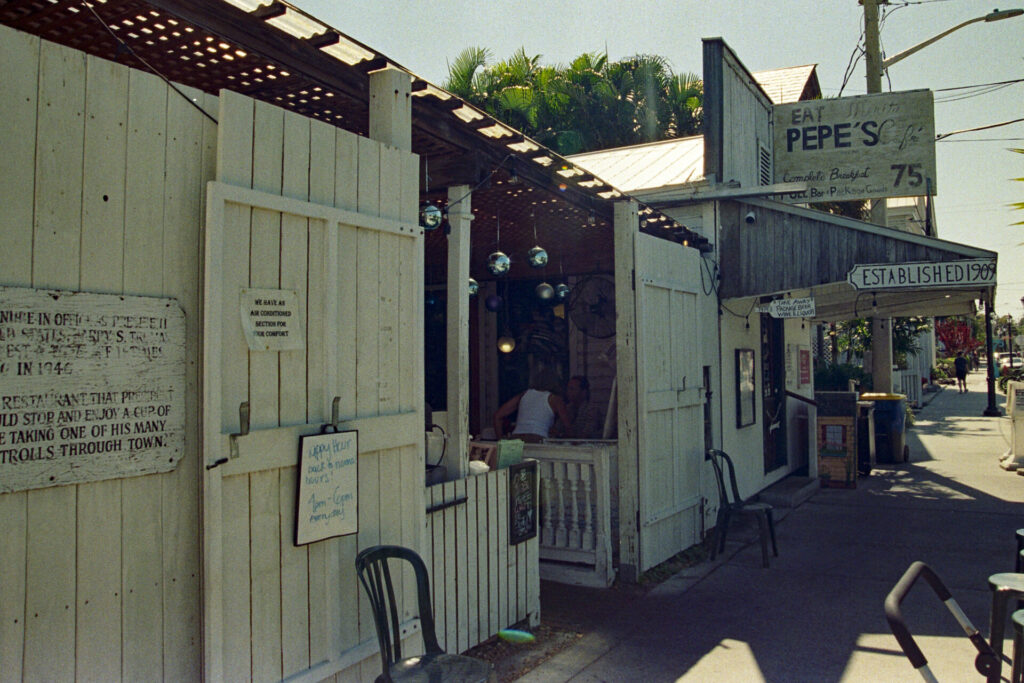
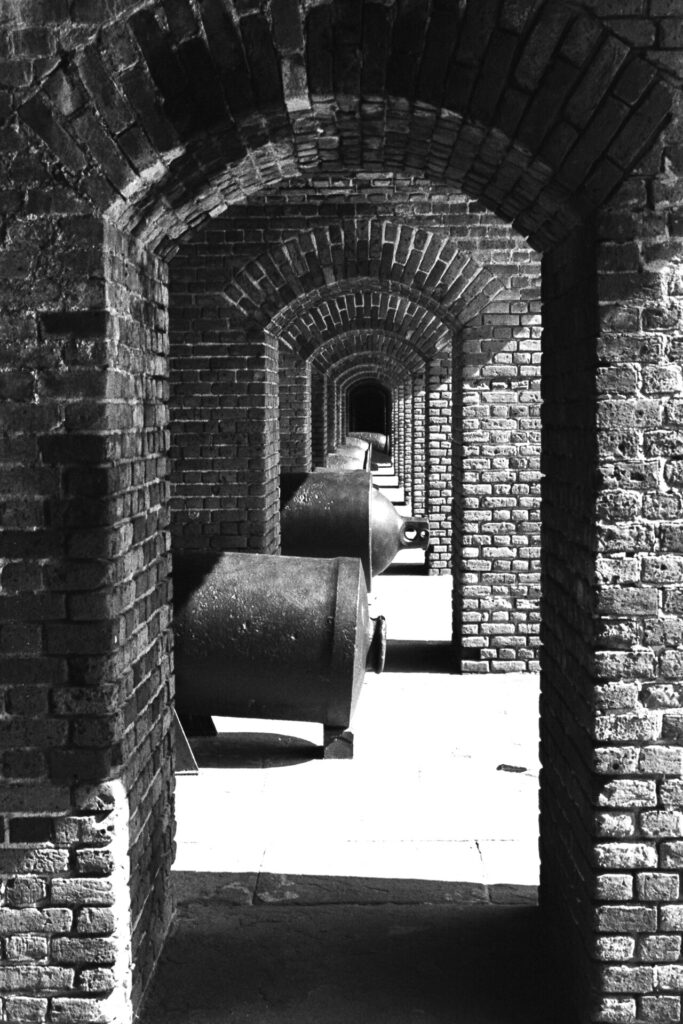
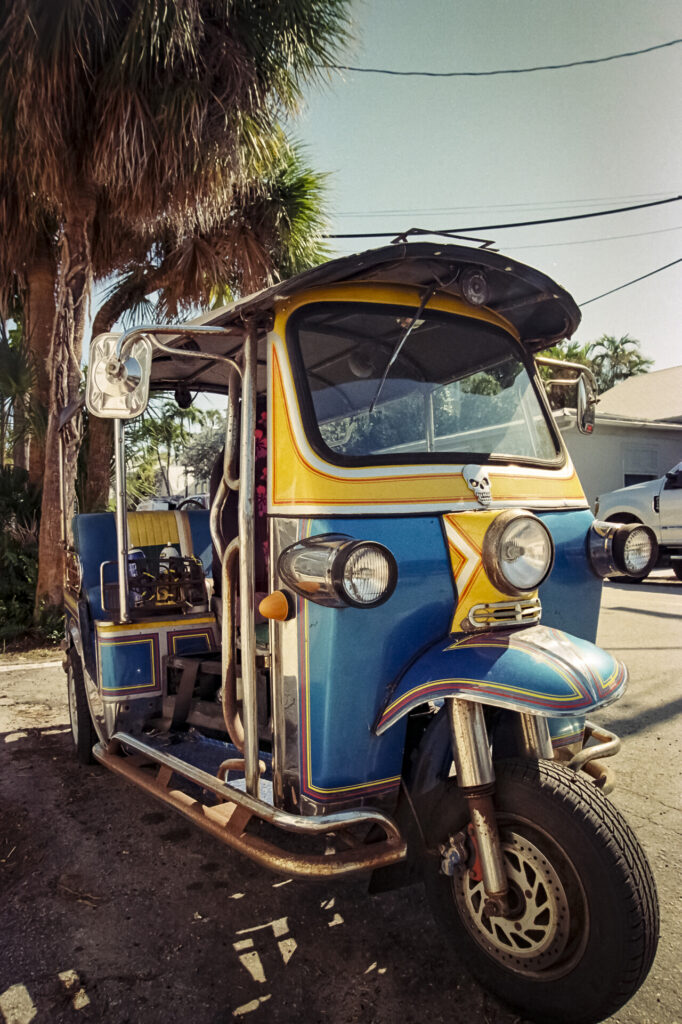
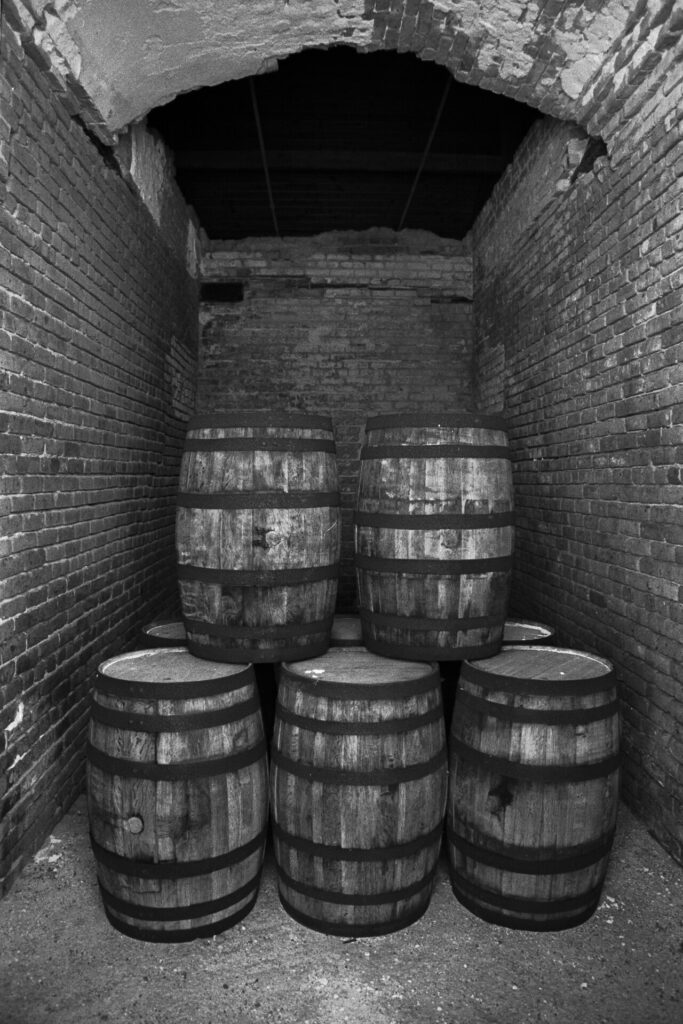
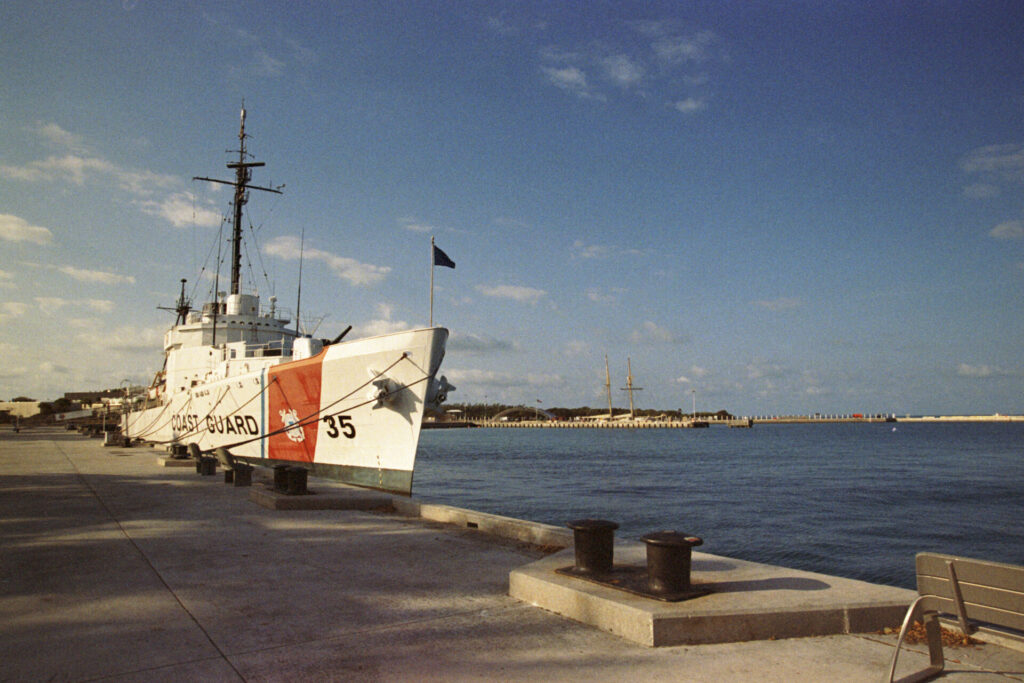
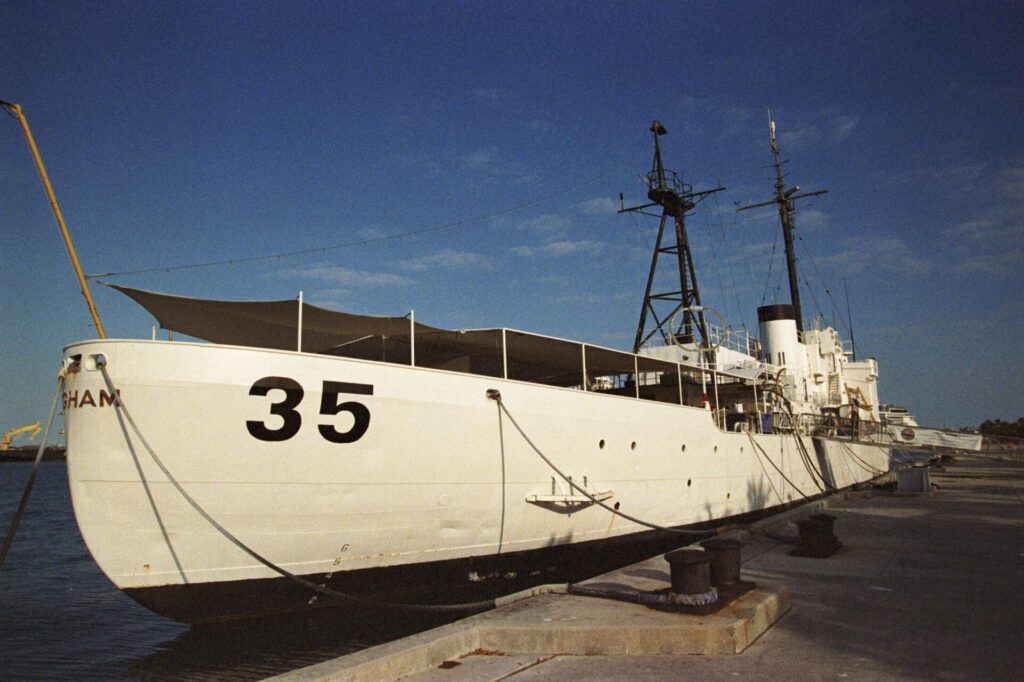
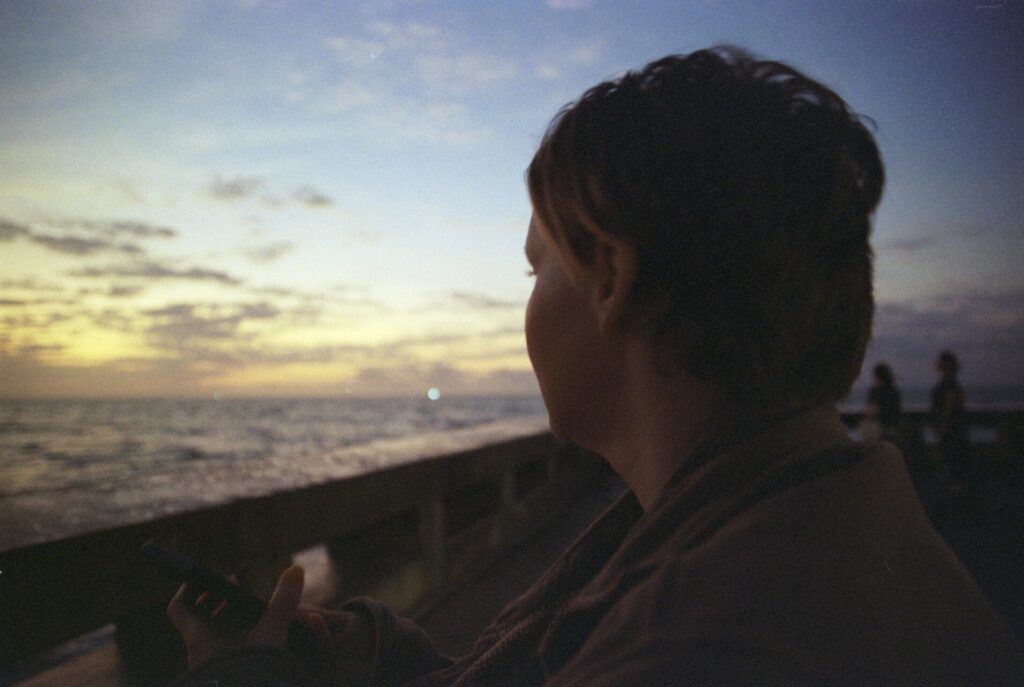
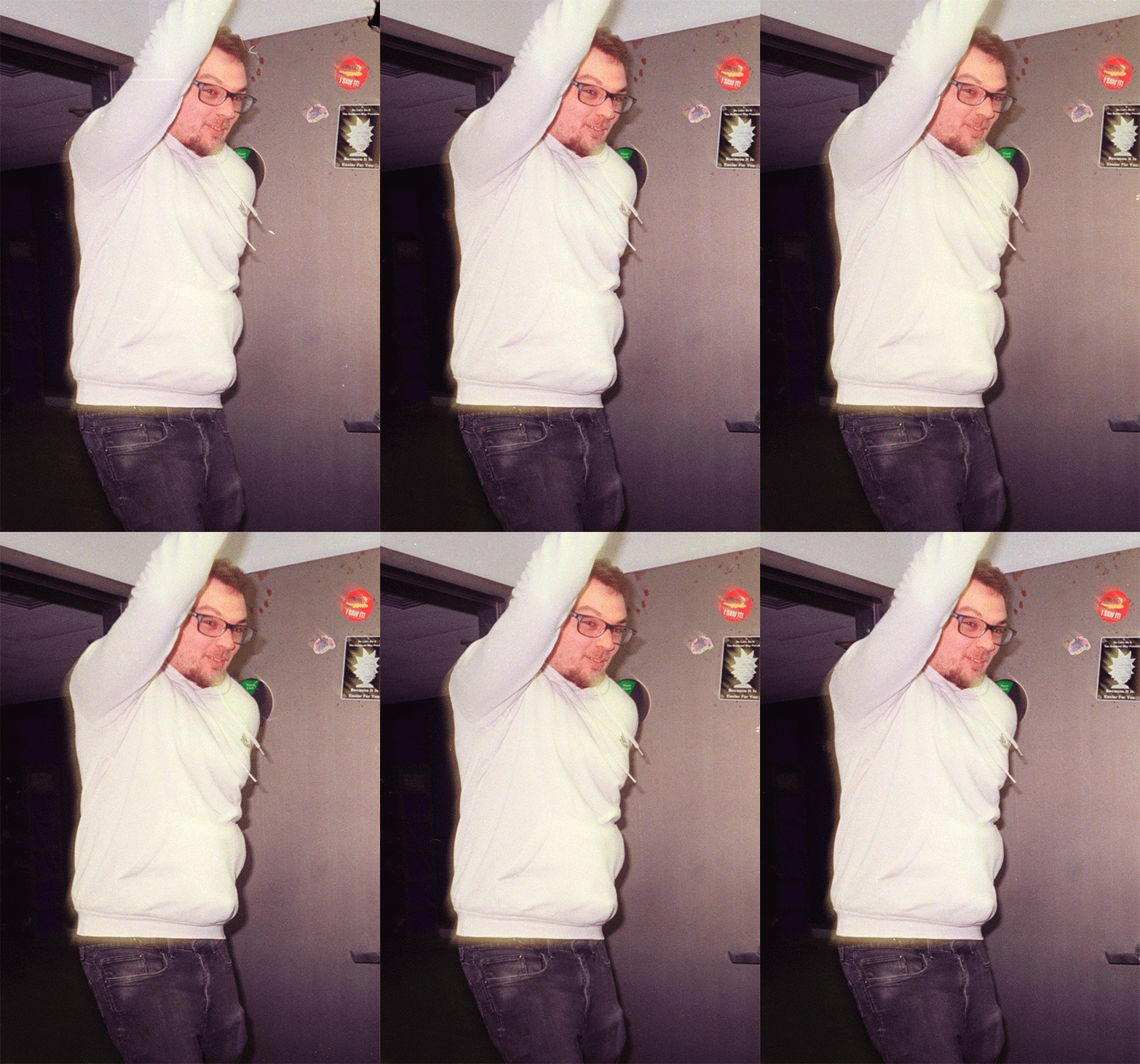
    My wife and I had a lovely time in Key West for our 20th anniversary. It was February, so the weather was warm but mild, and the streets weren’t too busy.

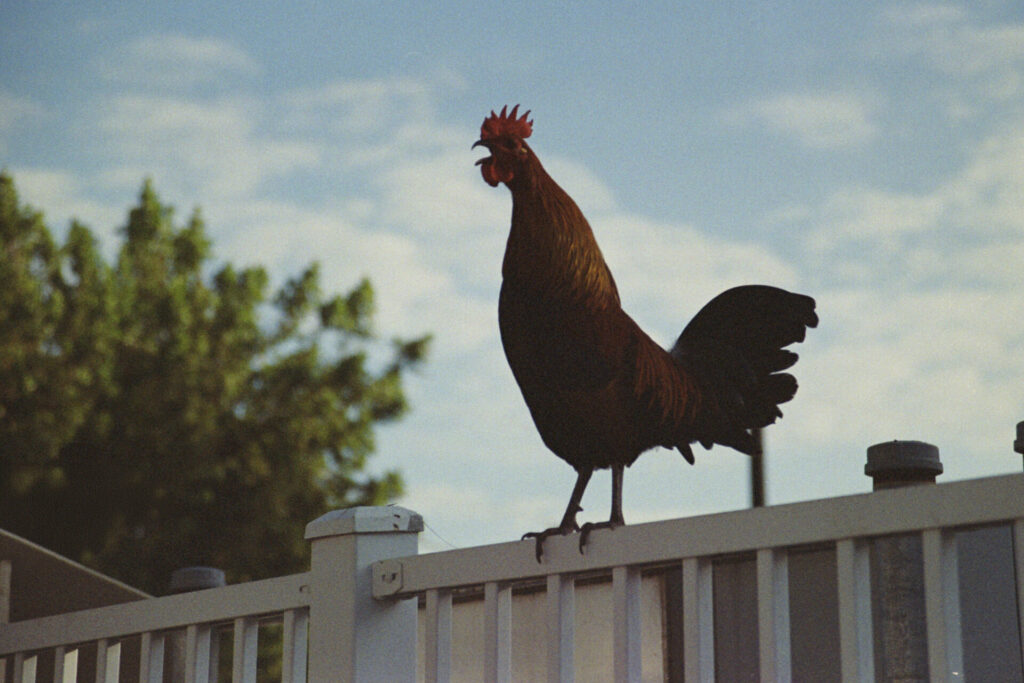
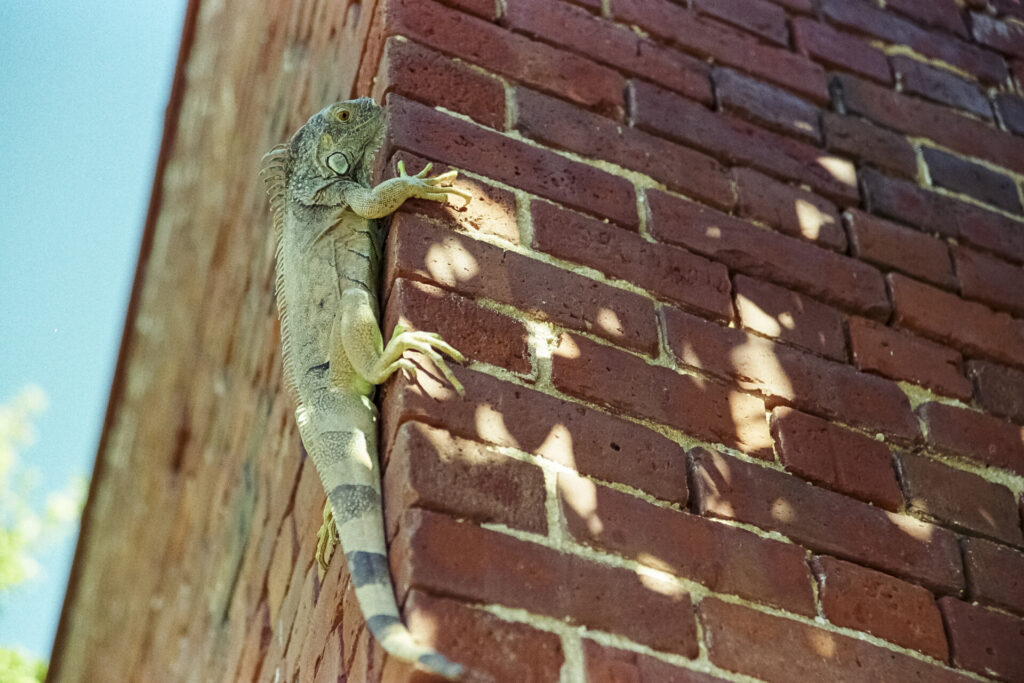
    Leading up to the trip, everyone spoke about how you just HAD to visit Duval Street. We did, and it was nice, but renting bikes and exploring the island away from the crowd is the best way to experience Key West. The excitement and chaos is there when you want it, but a few streets back is quiet and subdued – plus that’s where all the iguanas hang out.

    I carried my Nikon FE2 everywhere, paired with the Nikon AF NIKKOR 24-85mm f/2.8-4 D lens I ordered from KEH specifically for this adventure. It is a large lens, and heavier than I expected, but it’s fast for a zoom, performs well enough of a film camera, and is stupidly flexible when it comes time to frame up a shot. In spite of its heft, it has become my go-to lens for travel.

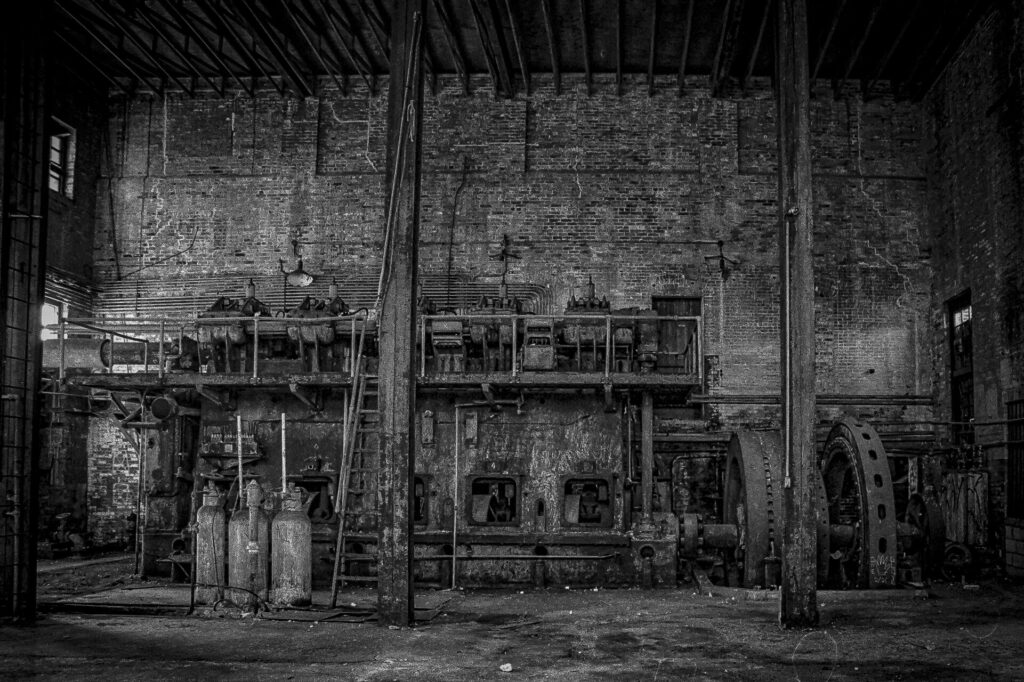
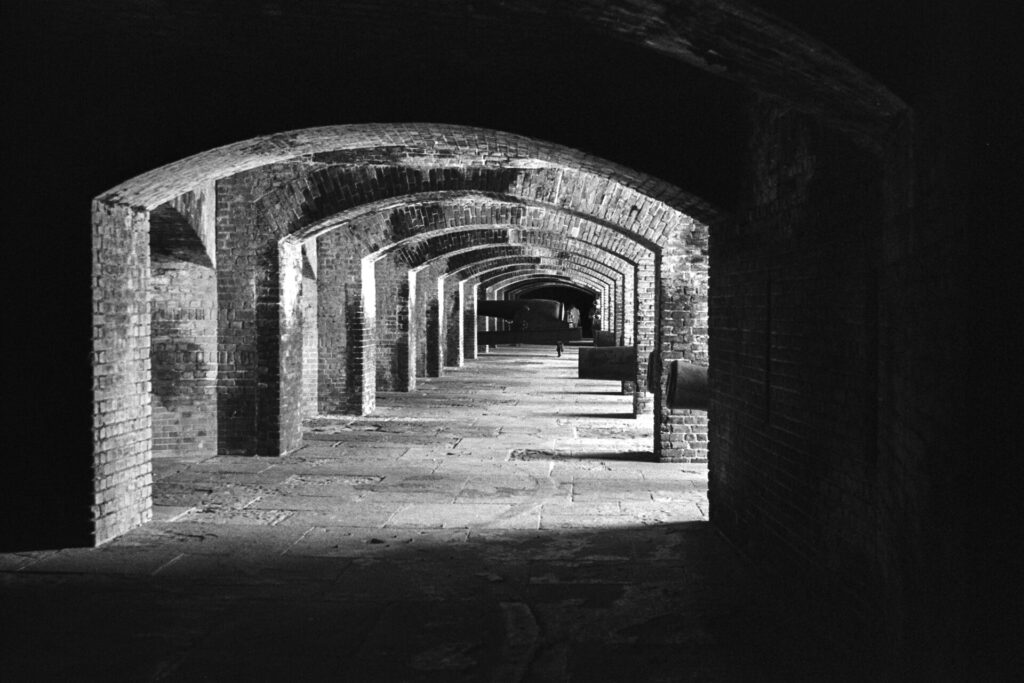
    Most of the photos I took on this trip were on Lomography Color Negative 800 ISO film. It has prominent grain and soft color rendering, perfect for a nostalgic beach vibe. It also does well when converted to black and white, should the image call for it. I got a few favorites from this trip, and would love to go back for more.

  • Dummy 13: Need a photo model? 3D Print one!

    Dummy 13: Need a photo model? 3D Print one!

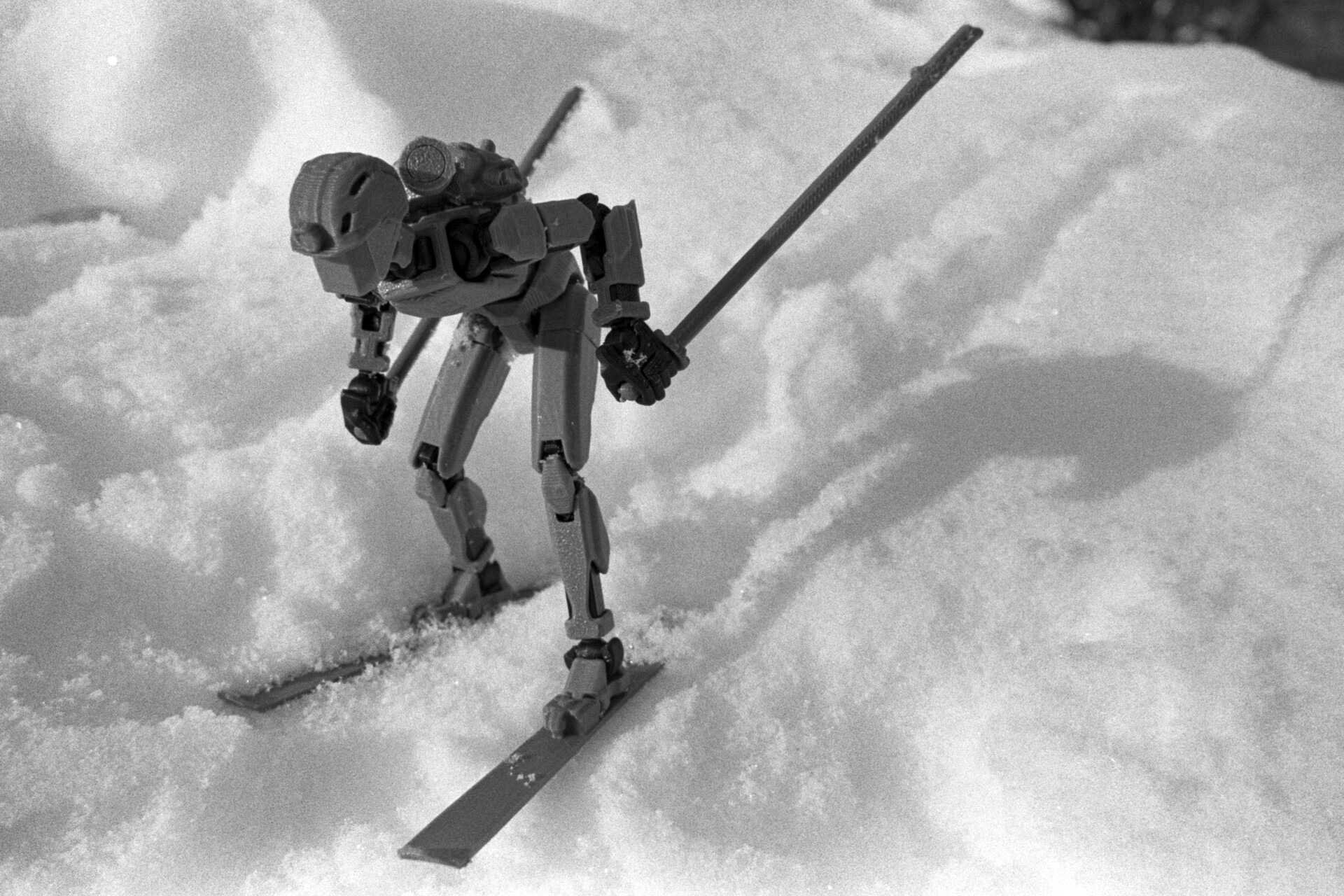
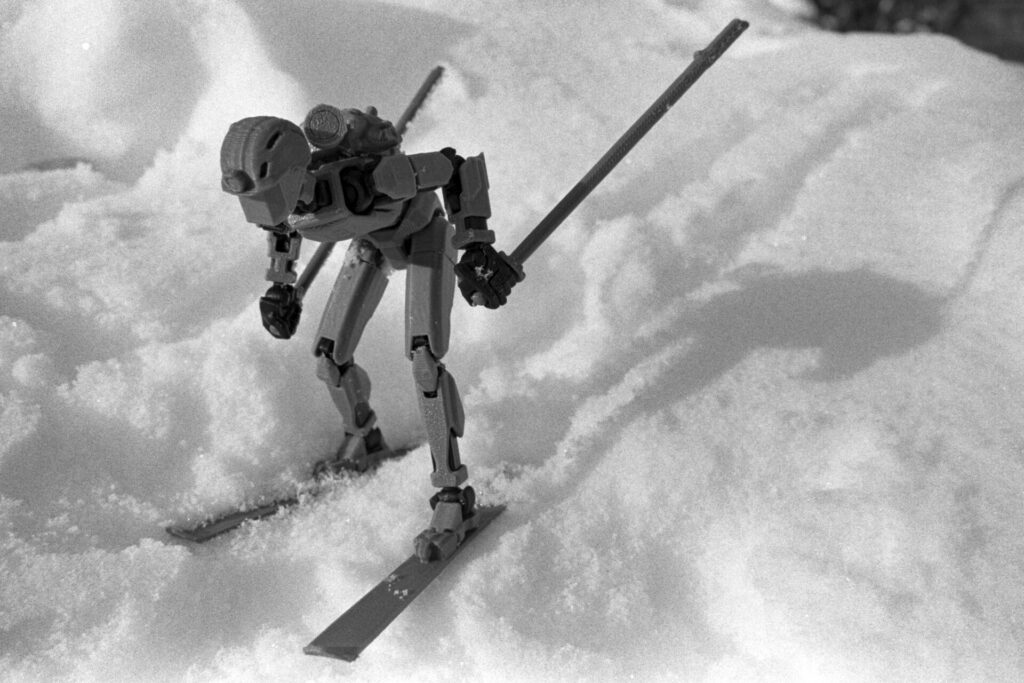
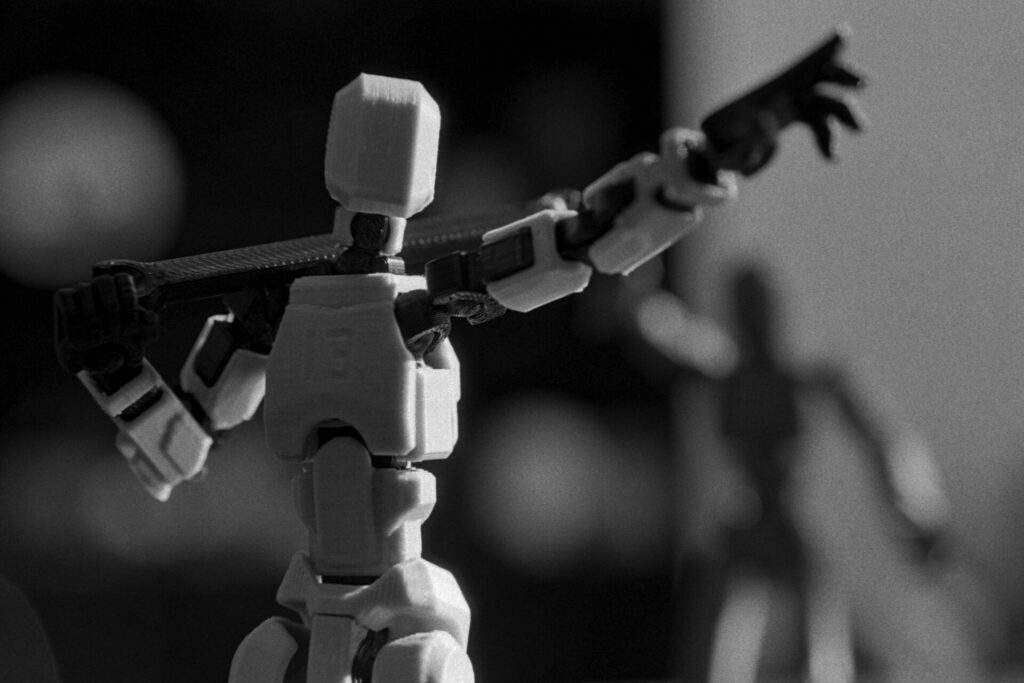
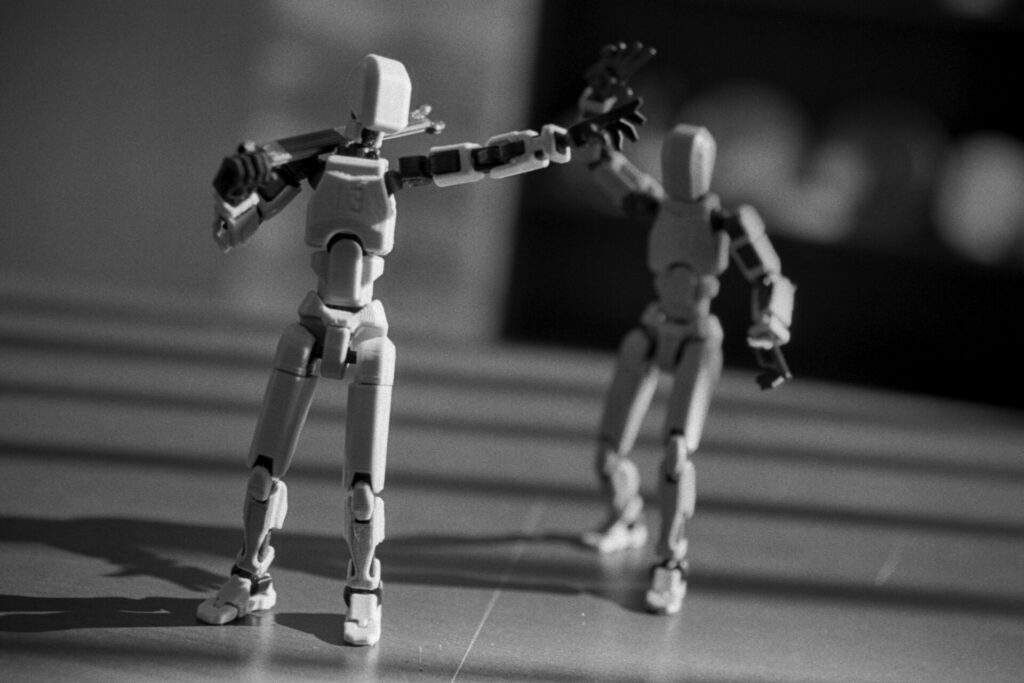
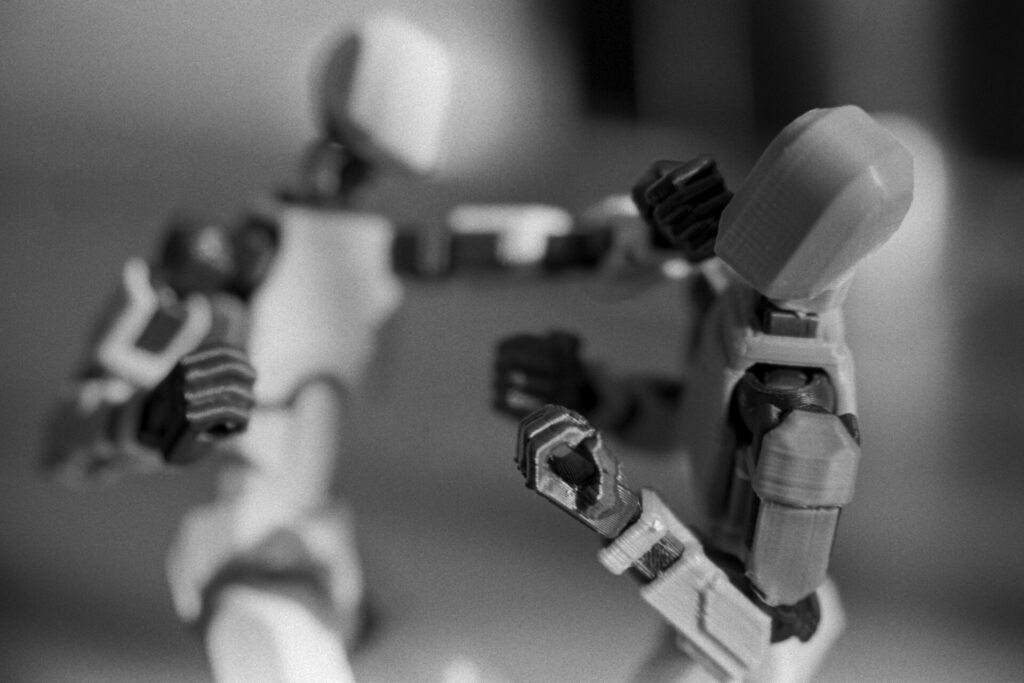
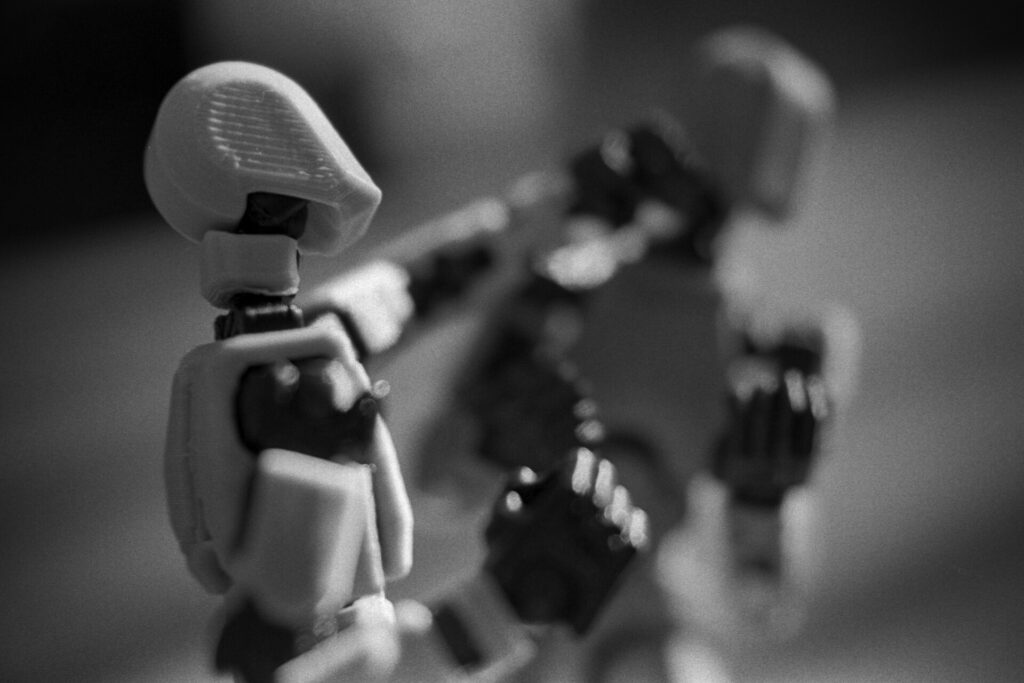
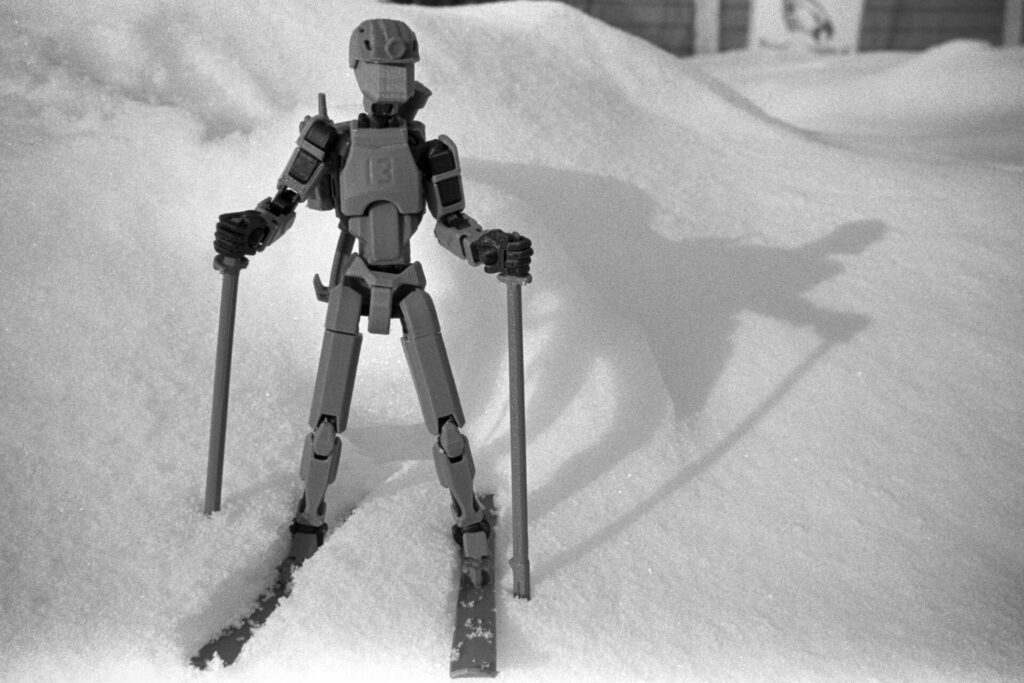
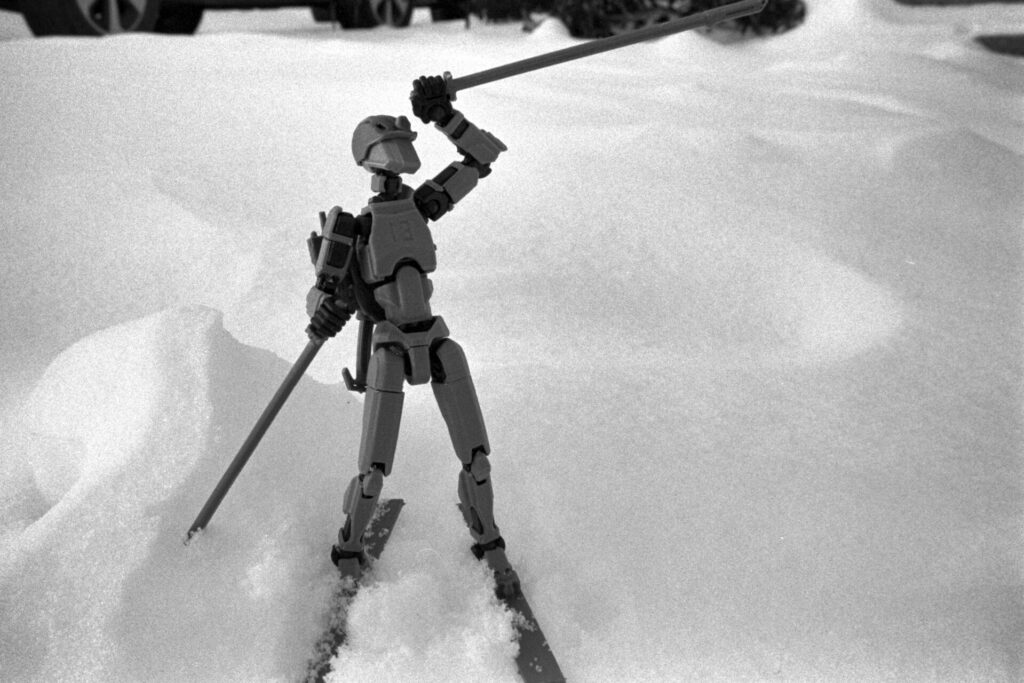
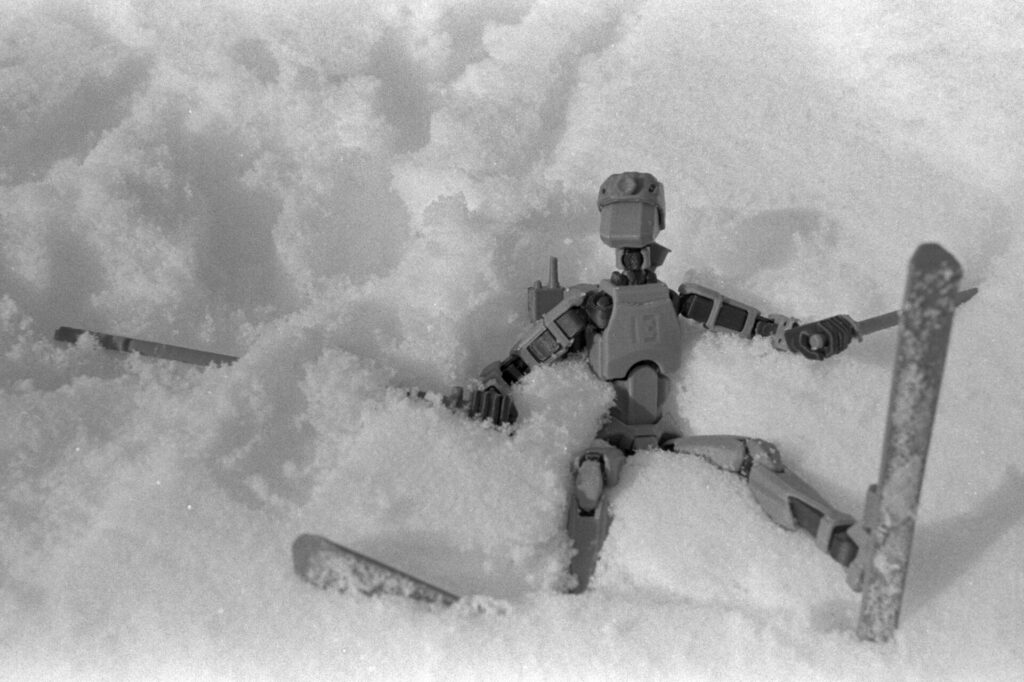
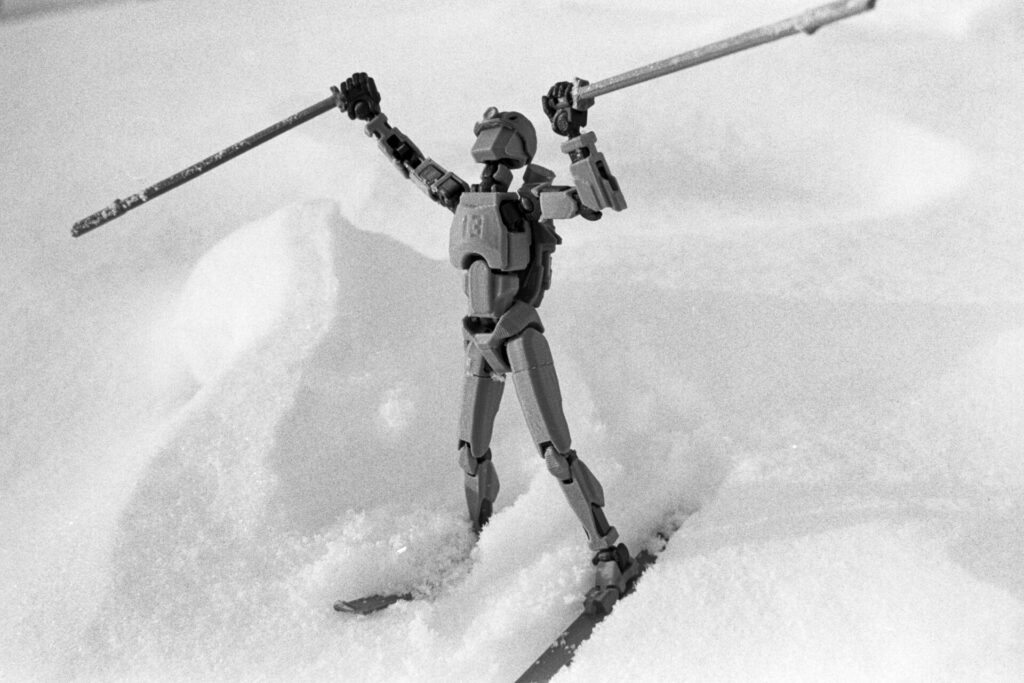
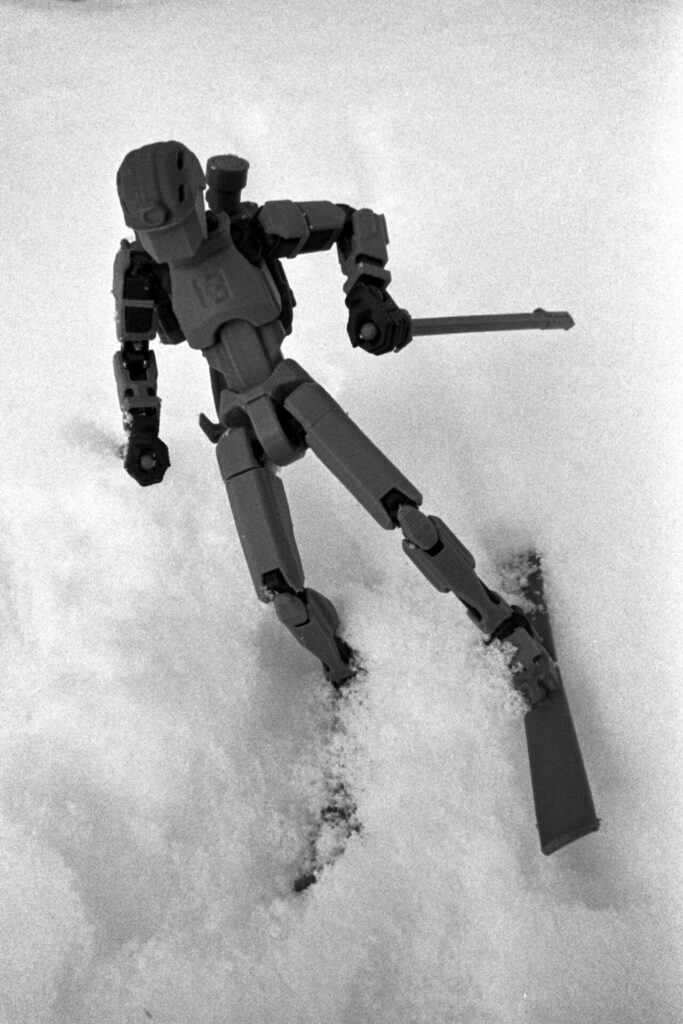
    Stuck in the house for days due to snow, and with nothing to shoot, I was browsing various 3d printing model sites for something to mess with when I came across Dummy 13, a highly poseable and customizable character that you can 3D print or buy online.

    Due to its jointed construction it works really well for a photography model, only on a much smaller scale than a human being (obviously). I spent a few days printing off a handful of them, plus a few accessories.

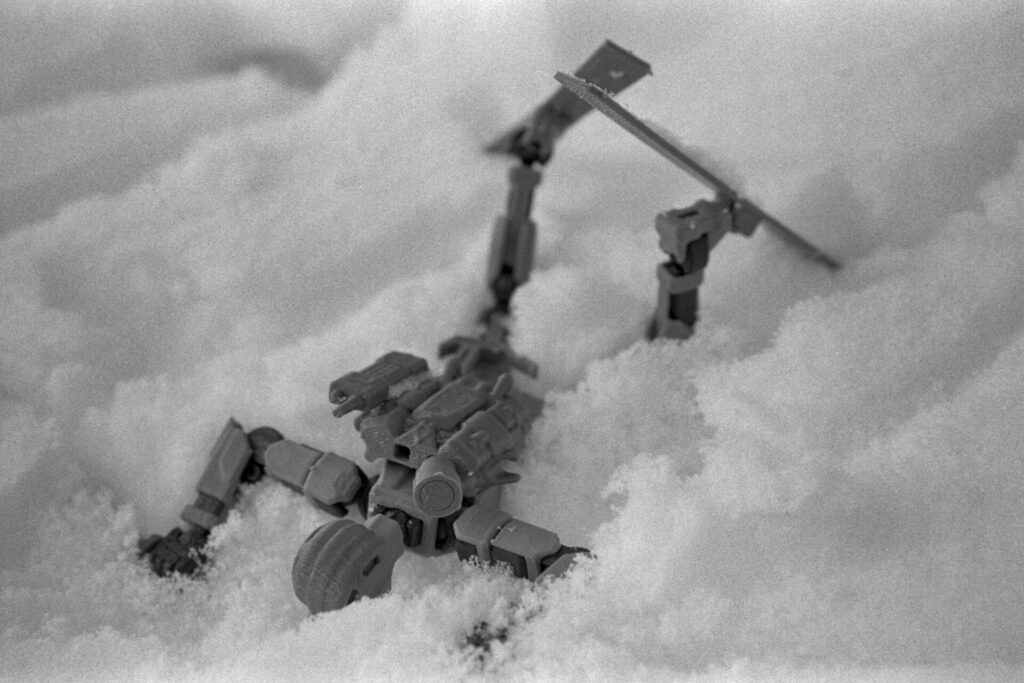
    At the time I was testing out CineStill’s black and white monobath, so I shot a roll of Tri-X with Dummy 13 as my muse on my desk and in the snow. I wasn’t really that impressed with the monobath, as the results seemed much grainer than I expected, but the photos were fun and it gave me something to do for an afternoon or two.

  • Winter Wonderland

    Winter Wonderland

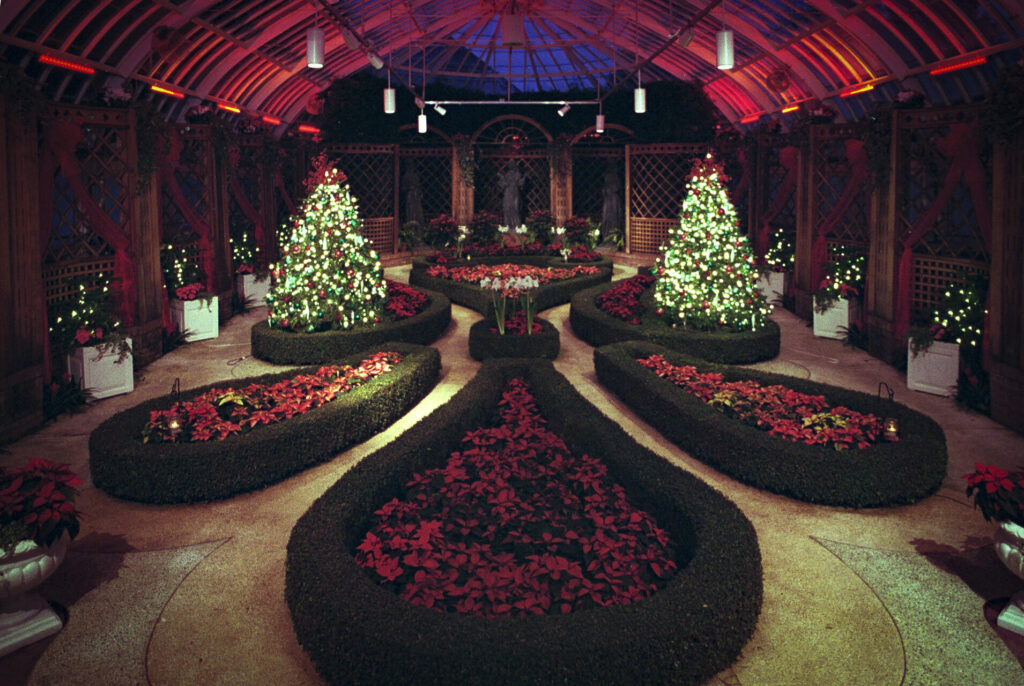
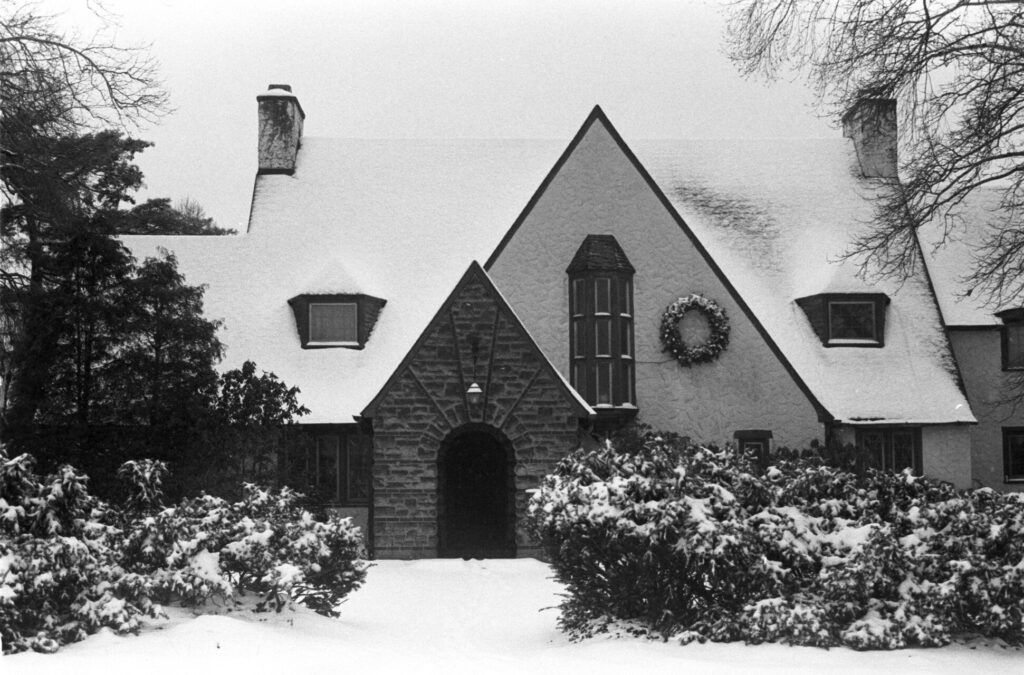
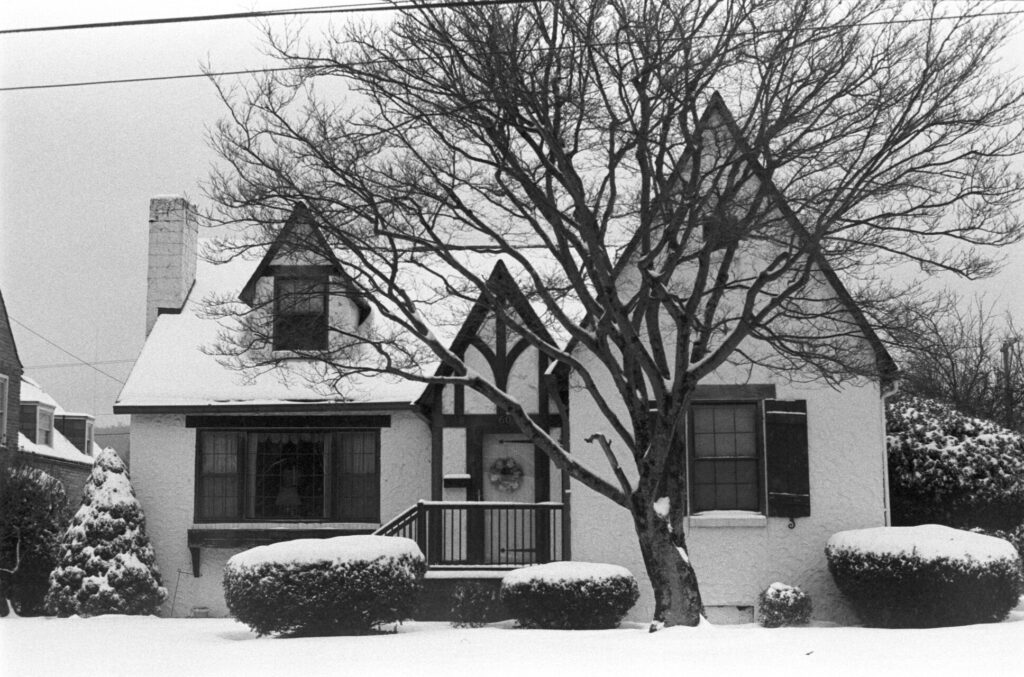
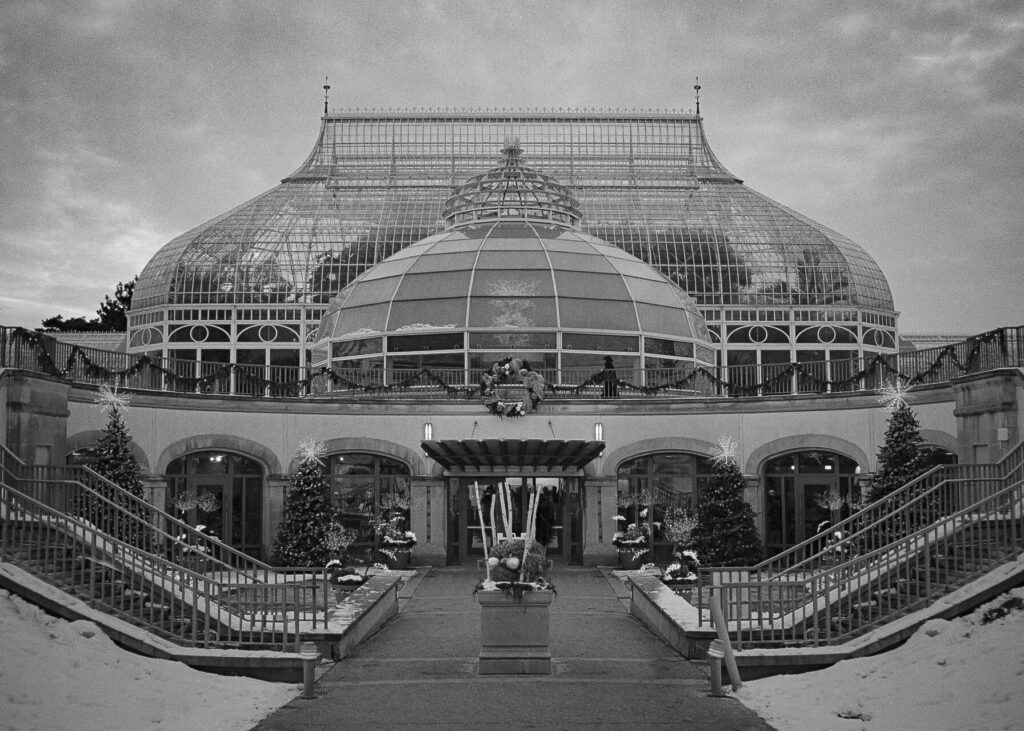
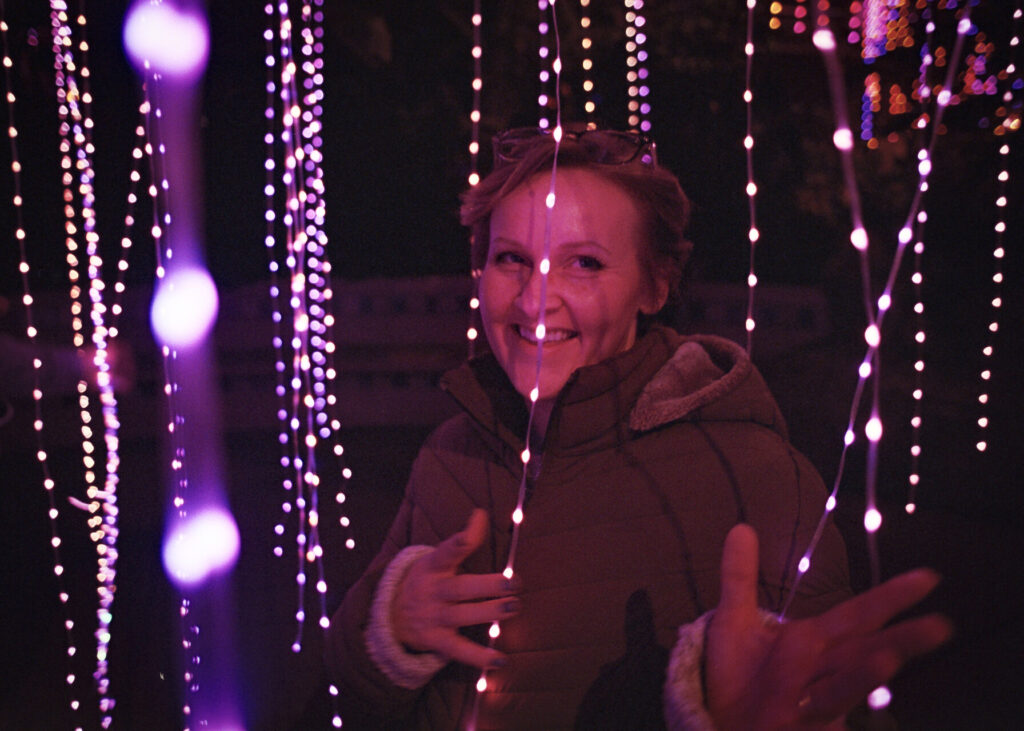
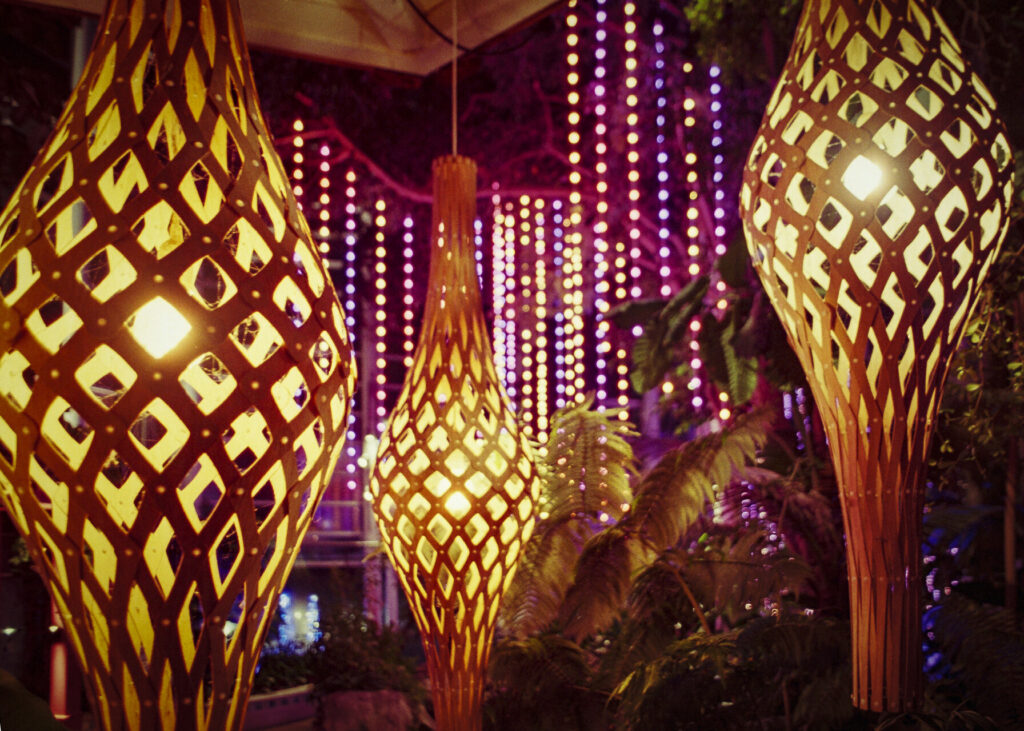
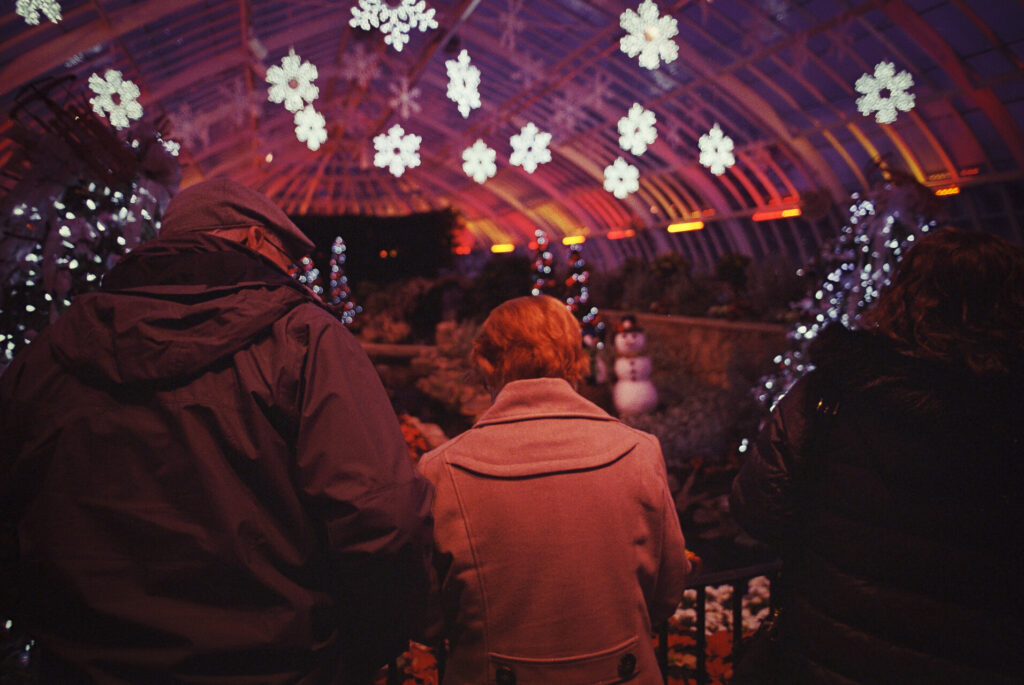
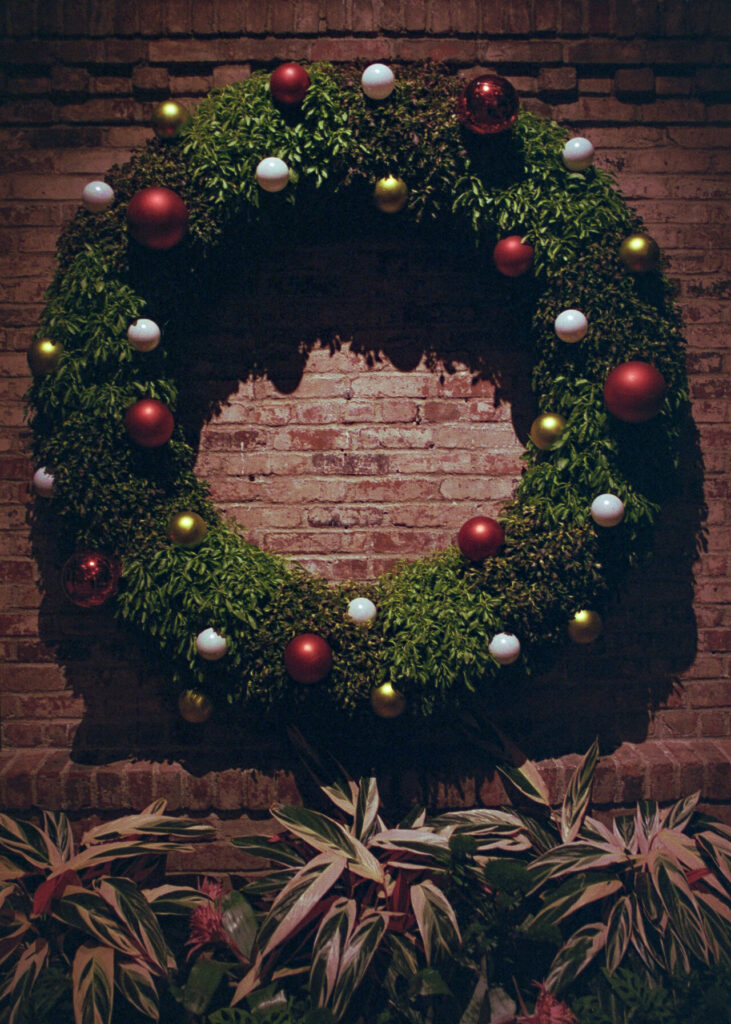
    January brought snow, and a trip to Phipps Conservatory in Pittsburgh, PA with my wife and her folks. It was a wonderful opportunity to work on shooting handheld in difficult lighting conditions and manually metering for exposure instead of relying on aperture priority mode.

  • Nimslo3D: My favorite camera that I rarely use

    Nimslo3D: My favorite camera that I rarely use

    The Nimslo3D was ahead of it’s time, except it was also late on delivery, so it was always bound to fail.

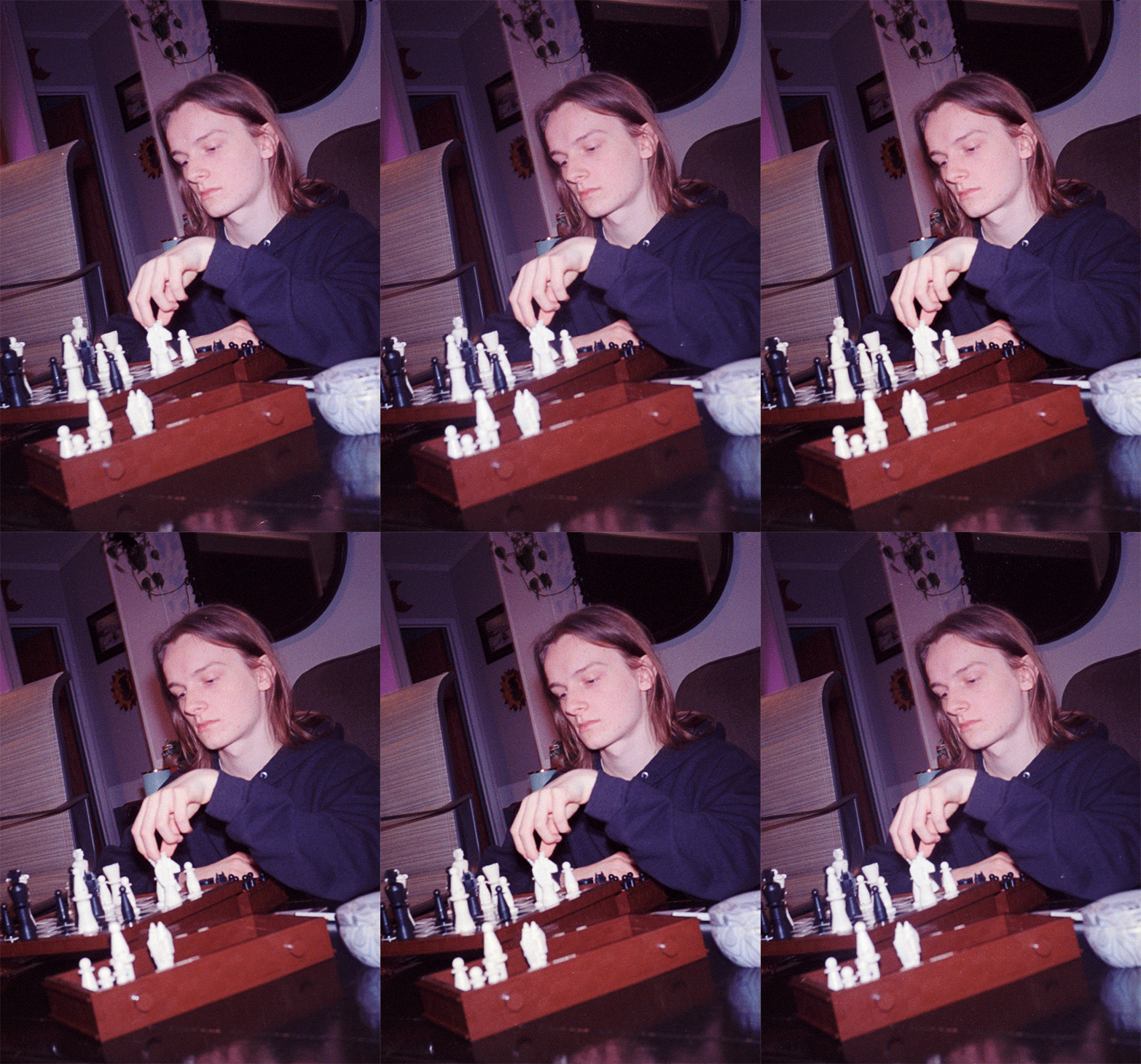
    A four-lens camera that essentially shot two images per frame of 35mm film in portrait orientation, you would send the negatives away to be printed behind a lenticular sheet for a 3D effect. Honestly, the idea sounds awesome, but a manufacturing delay, strike, rising costs, and decline in interest sealed its fate.

    Also, that ad is terrible and frightening, so there’s that.

    Finding one in working condition online isn’t too tricky, but they can be a little on the expensive side, considering that it is a plastic novelty camera that is prone to failure. I lucked out and found one for around $80 with flash, untested. Luck would strike again, as it arrived fully functional!

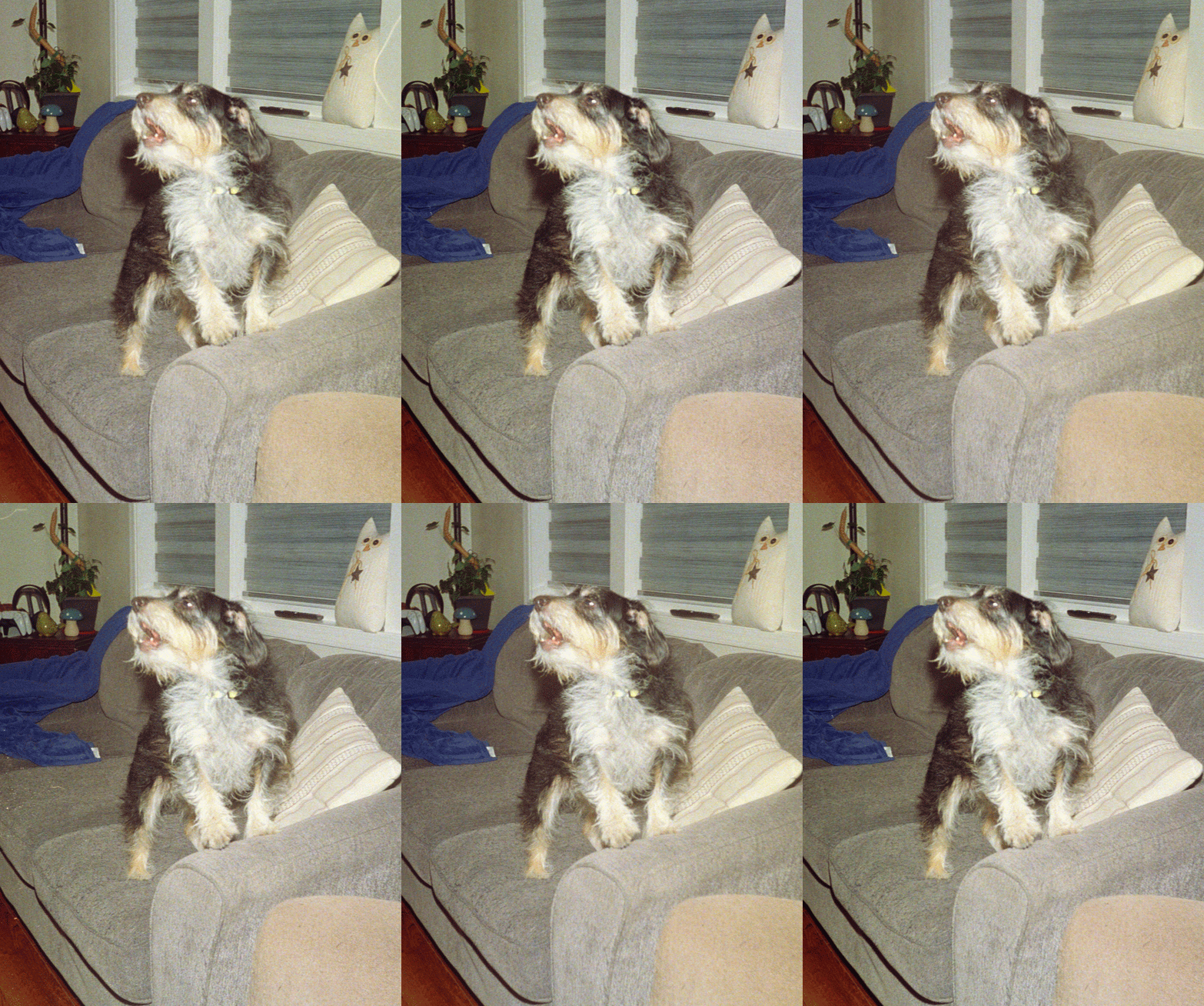
    There is a small demand for these cameras these days thanks to the minor trend of creating “wigglegrams”. Essentially short animations of the four frames. There’s a Reddit community for them, numerous clones, and not one but two digital versions in development, plus several open-source alternatives. For a commercial failure, people sure do love this little oddity.

    And why not? It’s fun, easy to use, and the results look cool as hell. The problem is it’s a little on the fragile side, almost always needs a flash (people hate flash these days it seems), and requires some skill to scan and arrange the photos into a GIF or short video to share. The company that printed the photos has long since gone, and I’m not aware of any company that still does prints of lenticular photos with any consistency. You can try your hand at making them at home using some more third-party software, but it’s not a simple process by any means.

    This isn’t a camera you carry with you wherever you go, but if you are attending a party or wedding, or can find a local band that doesn’t mind flash photography, you’re in for a real treat.

  • First attempts at color film processing with CineStill Cs41

    First attempts at color film processing with CineStill Cs41

    Up to this point, every image I had developed was processed by The Darkroom photo lab. They do fantastic work! I wanted to start processing my own film, though, and after a brief discussion with the folks at Bernie’s Photo Center in Pittsburgh, PA I learned that the color process had recently been simplified into a two-step process. Temperature control was still just as important as ever, but the timing was easier to handle. I figured, why not?

    I quickly learned that just because you can still find Fujifilm 400 at your local WalMart or CVS doesn’t mean it’s worth buying. Chances are if you live in a small town like me, that film has been there for nearly a decade and is expired. That was certainly the case with my first few rolls, but I also cannot rule out the fact that there is a learning curve to developing film – especially in color – so the quality on these first images is sketchy. By the third or fourth roll, I feel like I was getting the hang of it, even if my color correction of the negatives still left a lot to be desired.

    I also switched from scanning on a lithe table with a mid-range DLSR, to using a dedicated 35mm scanner, which helped to bolster my confidence in the process immensely.

  • Surf City 2025

    Surf City 2025

    Probably my first attempt at earnestly taking good photos with film, I brought the Minolta X-370 (and several other cameras) with me to Top Sail / Surf City, NC for vacation. Still very green, I made a lot of mistakes, but it was during this trip that I caught the bug and decided film photography something into which I wanted to dive deeper.

    Looking back at these photos now, I can start to see some potential. My issue then, as it is now, is that I’d grown so accustomed to quickly snapping a pic and moving on. Film honestly demands more from you, and it starts with slowing down and paying attention. Sure, you need to consider light and composition, but you cannot ignore that each shot comes at a literal cost. Is this image worth taking? Developing? Printing? Displaying?

    For the majority of these photographs, no. They are snapshots of my vacation. In that sense, they are special to me, but they are not portfolio-worthy. Not every photo needs to be.

  • Shaking out the cobwebs

    Shaking out the cobwebs

    With a week-long beach adventure fast approaching on the calendar, I decided to break out the Minolta X-370 again and put a roll through it. I planned on taking it and a number of other as-yet-untested cameras with me to decide which I was going to keep and which I was going to part with (Spoiler alert: I only parted with one, and I regret it).

    I took the camera with me to go hang out with some friends, and while I’d like to blame the soft focus on my poor vision, there may or may not have been some other factors involved.

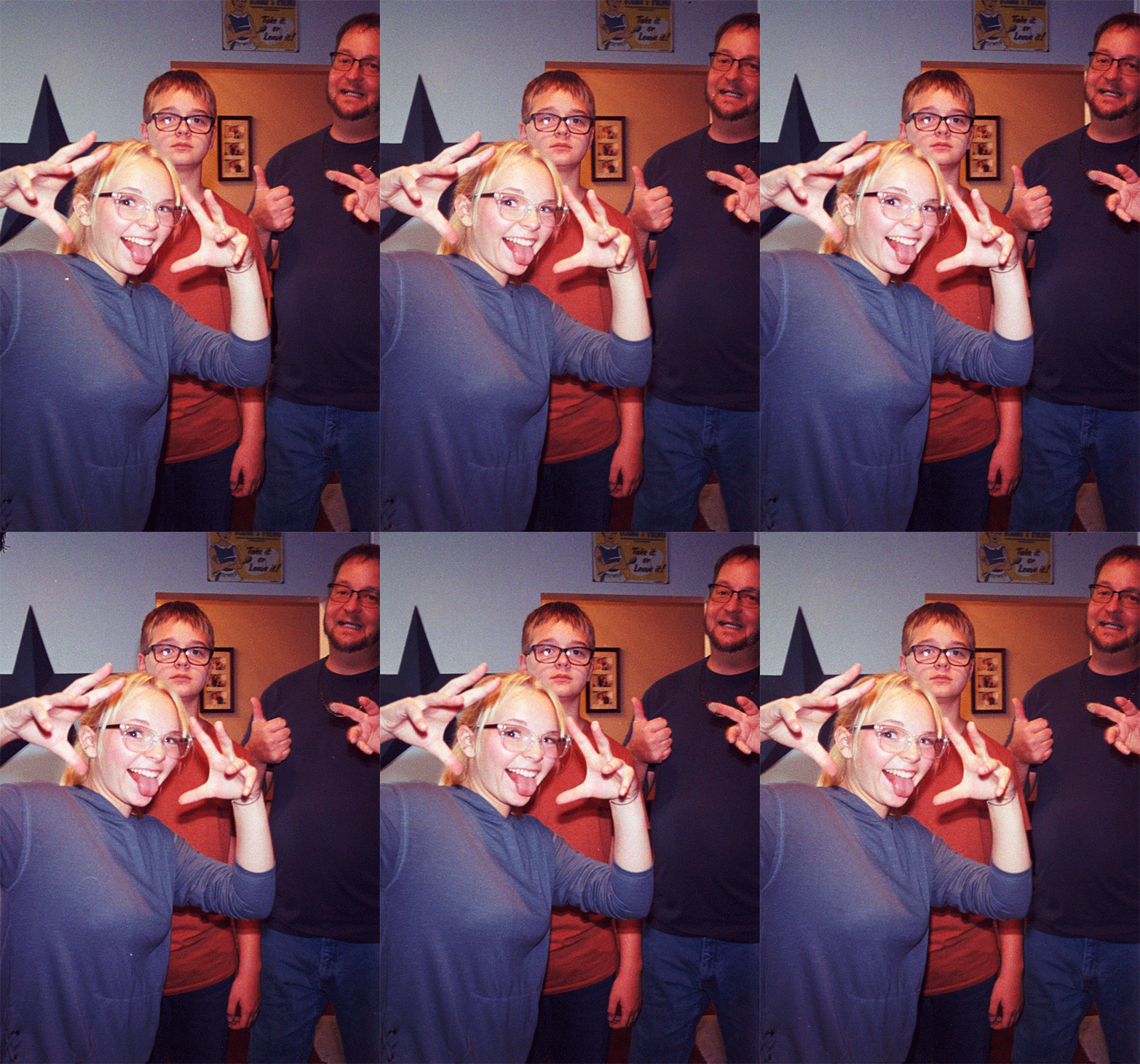
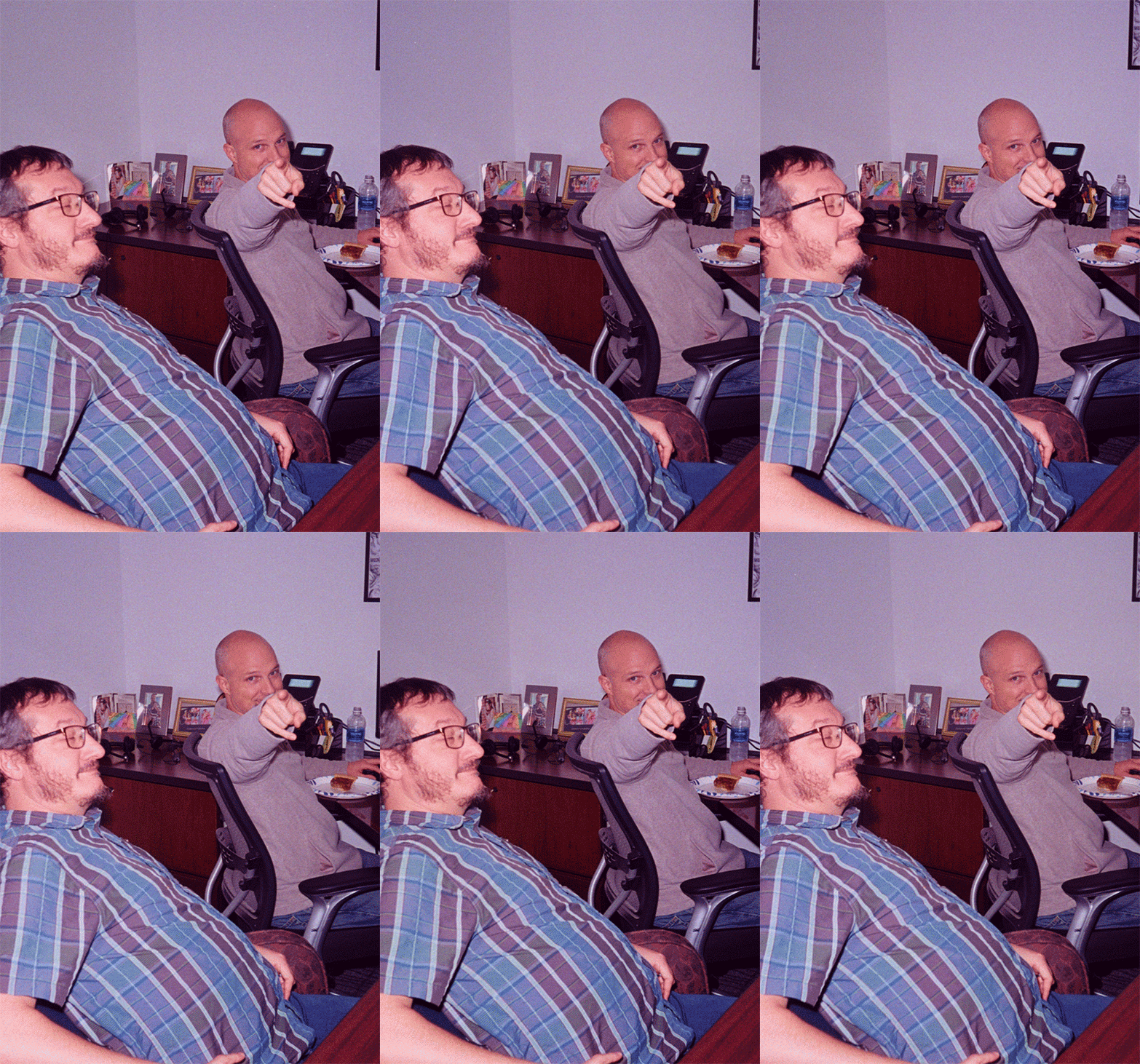
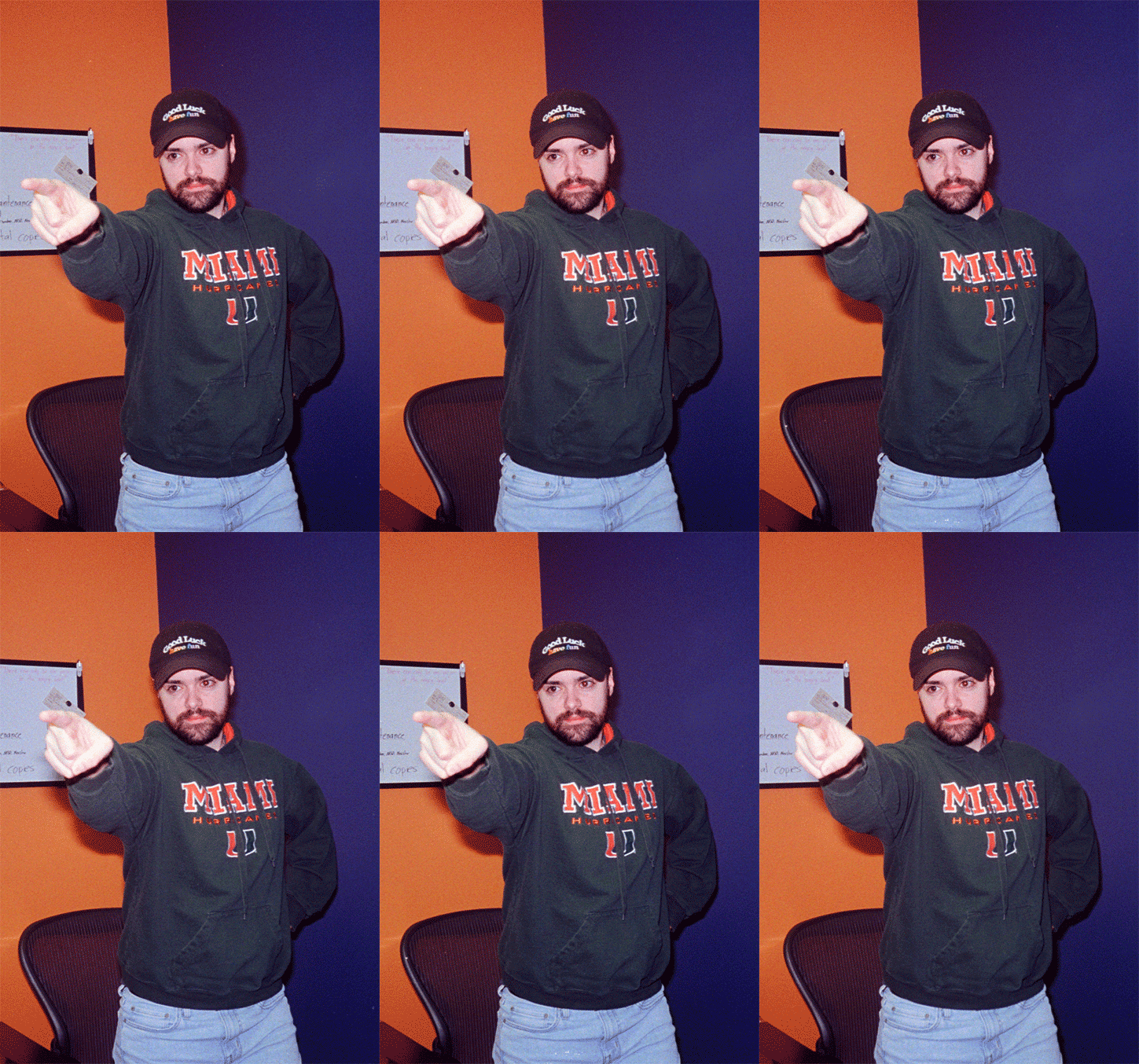
    The thing is, though, I like these shots. They are as blurry and chaotic as the evening turned out to be. Not every photo was worth sharing, but they all represent the moment perfectly, and I think that’s more important than perfect lighting and tack-sharp focus.

  • First shots with the Minolta X-370

    First shots with the Minolta X-370

    Like a true child of the 80’s, I took a photography class in high school. I absolutely fell in love with the process of developing film and making prints, but once the class ended, I no longer had access to continue experimenting. A few of those old photos survive, but aren’t worth sharing, as I had no clue at all what I was doing.

    Some time around Christmas 2017, I obtained a Minolta X-370 and a pair of lenses. The camera had belonged to my wife’s uncle, who had passed away. Having just had a few rolls from the Mamiya C33 developed, I was interested in getting back to shooting 35mm and reliving that classic experience.

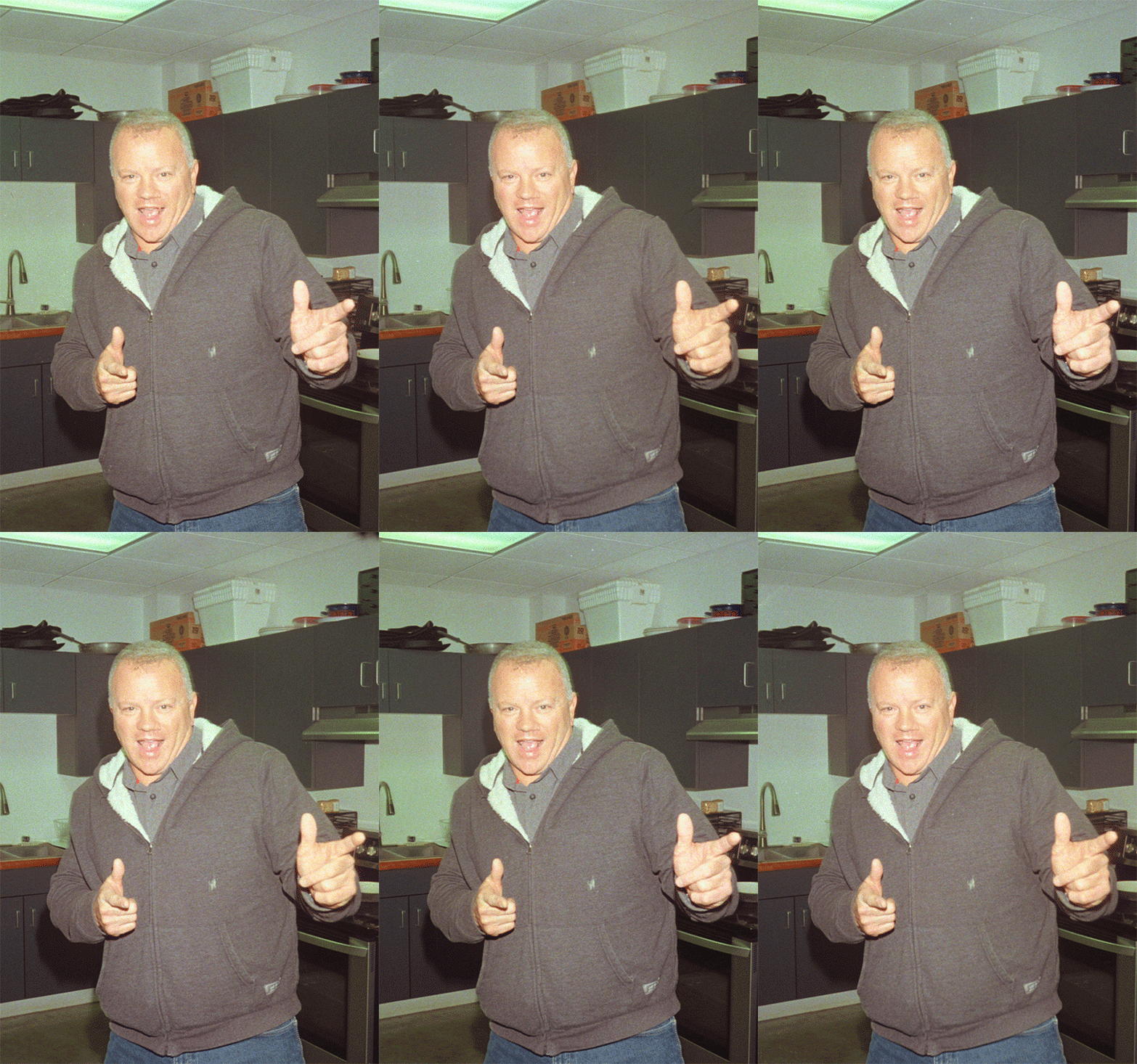
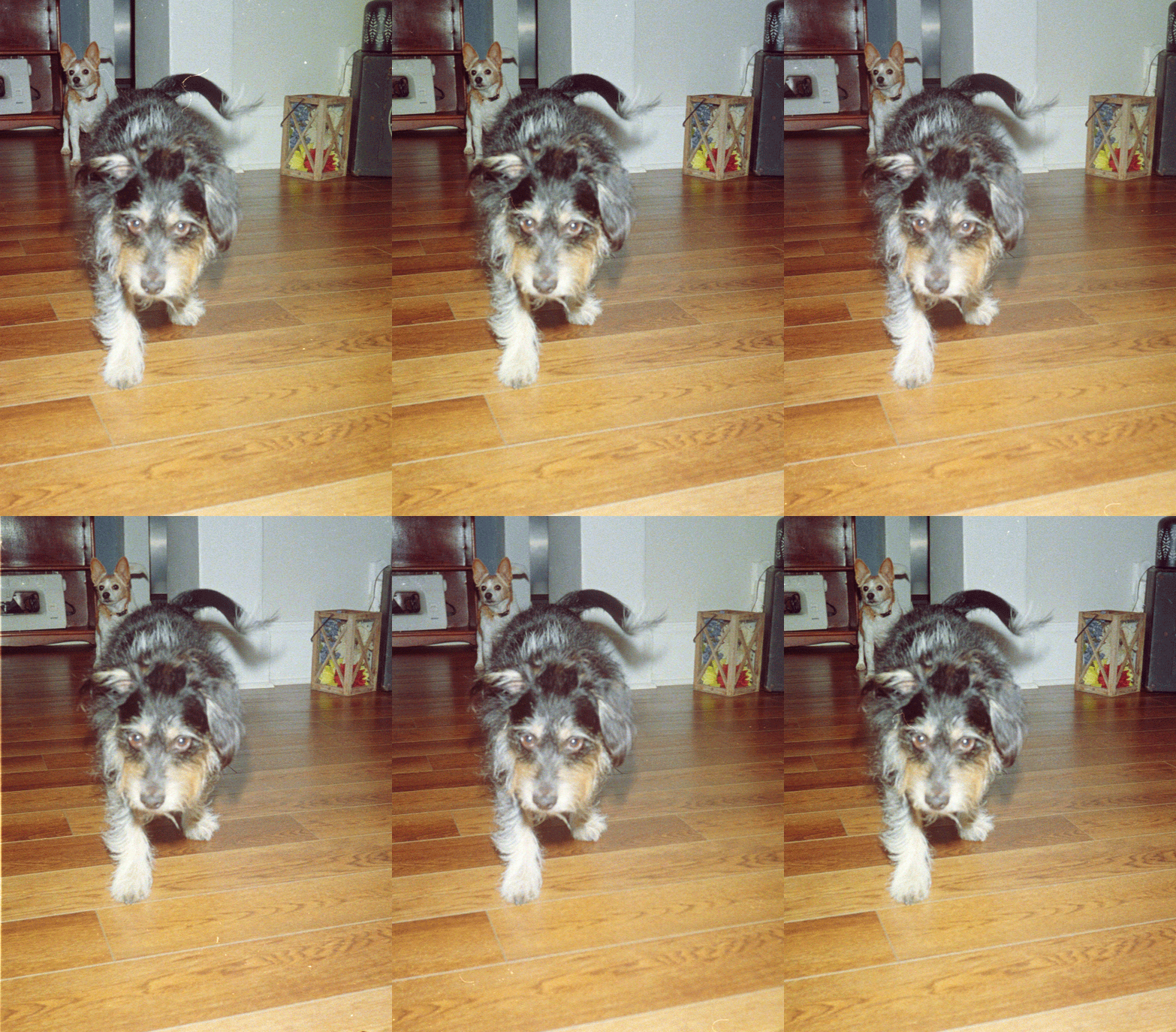
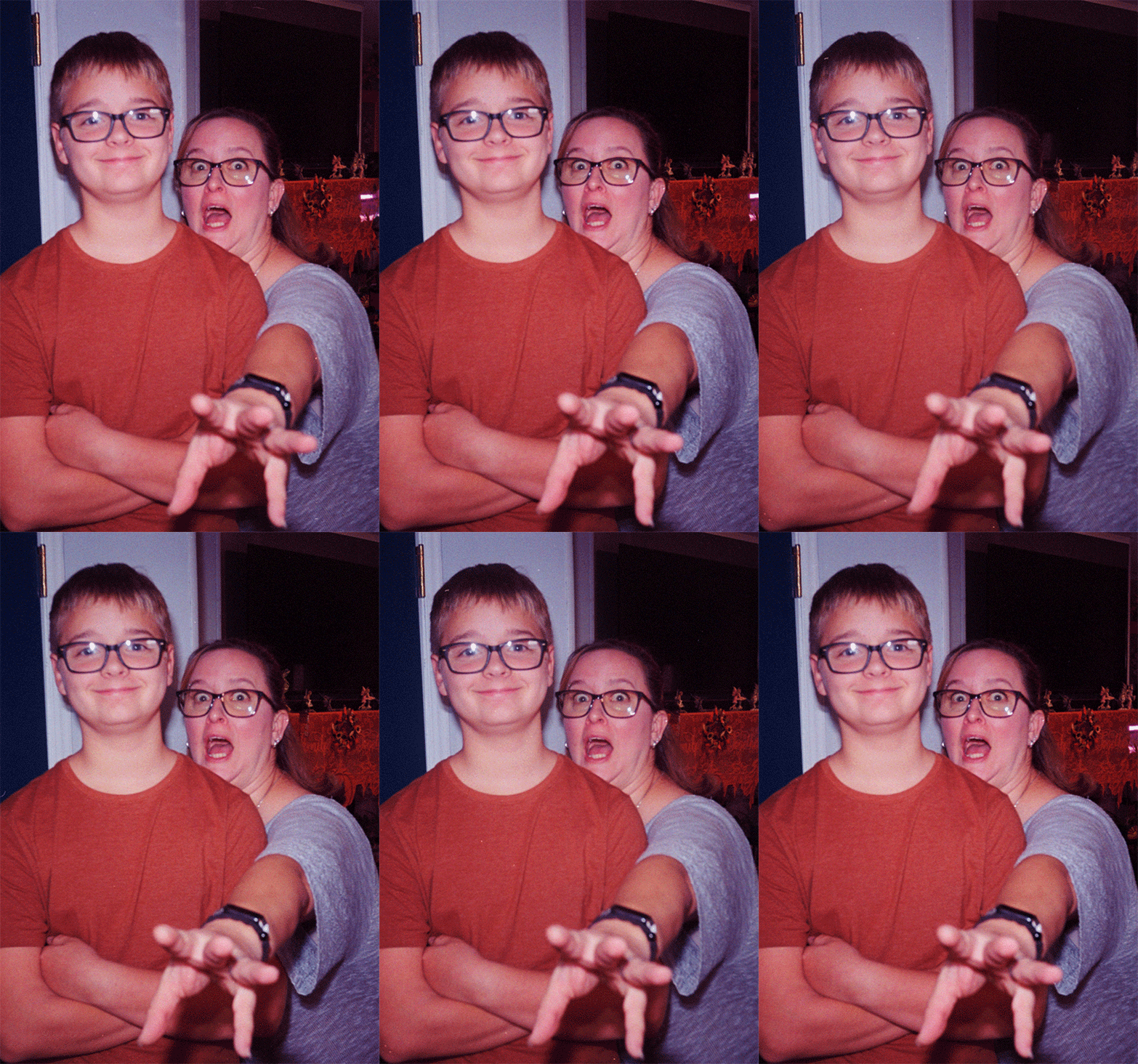
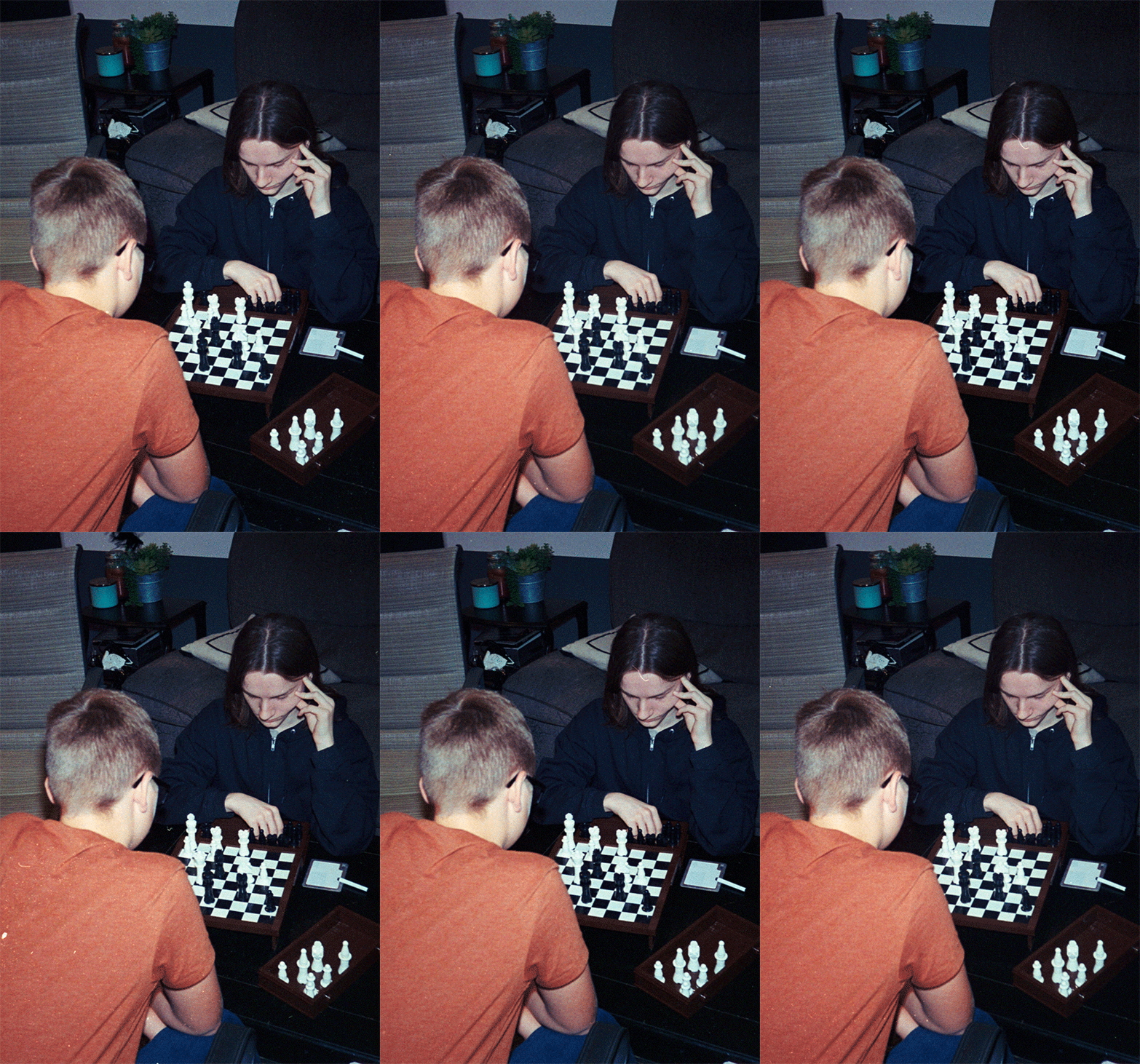
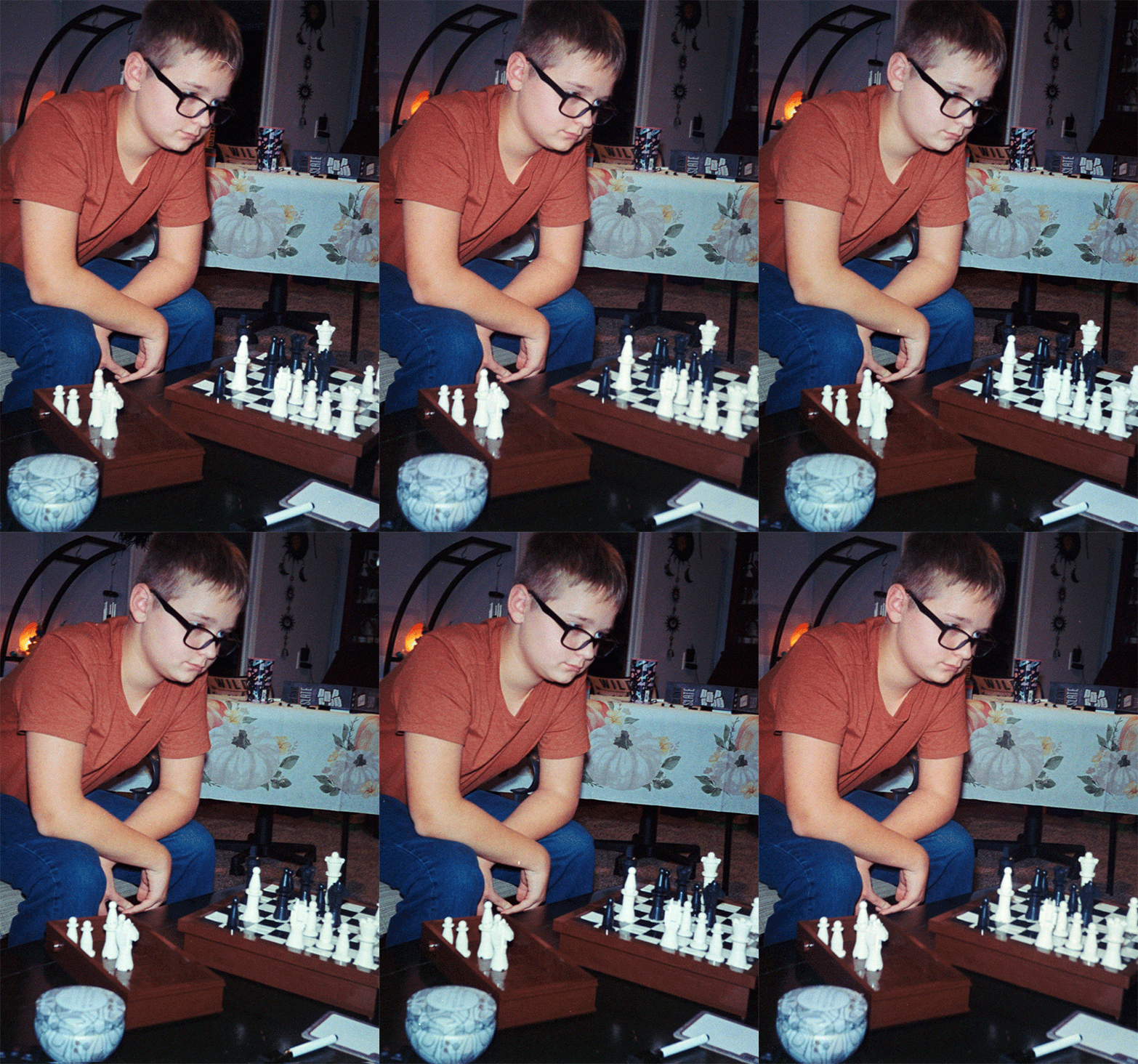
    The X-370 sports an aperture priority mode, so it was a much simpler experience than the C-33, but it was still a manual focus camera, and even in my 30’s I refused to wear corrective lenses, hence a lot of soft focus. I really didn’t understand how aperture affected the depth of field yet either, so combine that with shooting mostly indoors on Christmas and it makes sense that these images are less than stellar. Still, they invoke a sense of nostalgia, and I smile whenever I look at them – but a lot of that has to do with my son’s Christmas morning hair.